
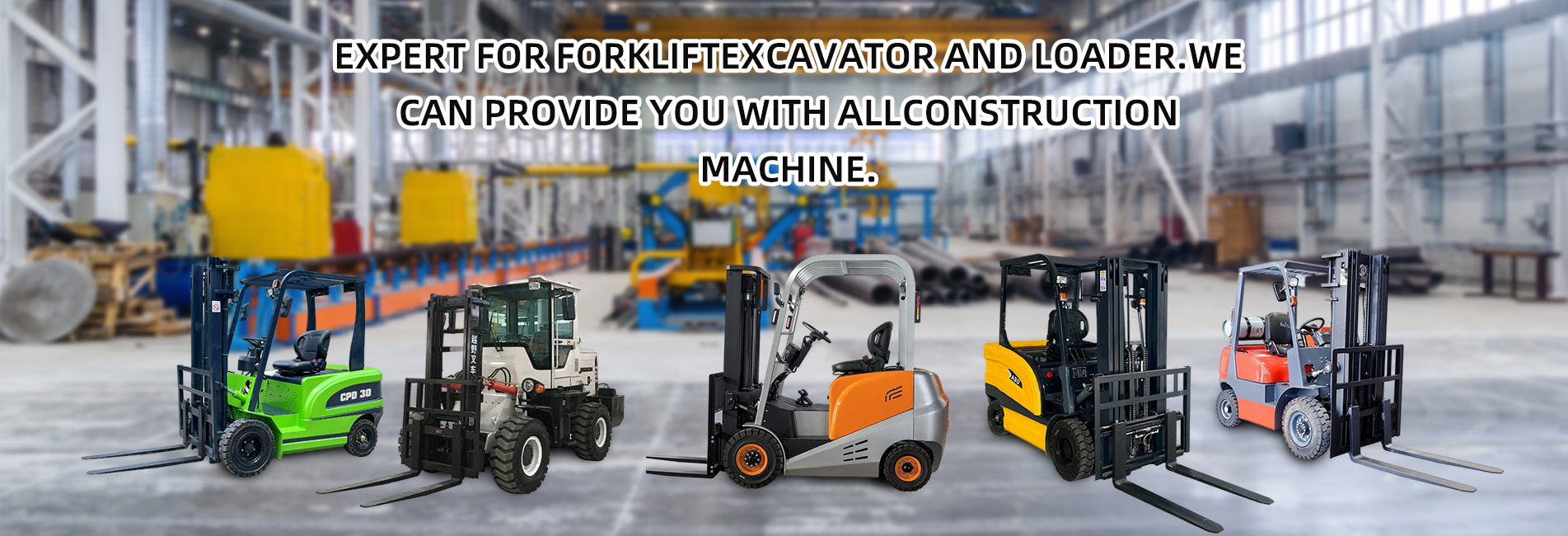
Most forklift breakdowns are not accidents — they are postponed maintenance. A leaking hydraulic seal that costs a few dollars today becomes a collapsed mast repair next quarter; a worn brake pad becomes a damaged rack or an injured operator. Electric forklifts are mechanically simpler than diesel machines (no engine oil, no exhaust system, no fuel injection), which makes their maintenance schedule short, cheap, and — if you follow it — remarkably effective. Here is a complete schedule you can hand directly to your operators and service team.
Daily (Pre-Shift): The 5-Minute Operator Check
Every operator, every shift, before the key goes in. This check alone catches the majority of developing faults:
Visual walk-around:
- Tires: cuts, embedded metal, unusual wear on one edge
- Mast and forks: cracks, bends, worn heel (fork heel wear over 10% of thickness = replace), secured fork pins
- Battery pack and cables: no visible damage, connectors seated, no dust crust or corrosion on terminals
- No hydraulic oil pooling under the truck or dripping from mast channels
Function check (seated):
- Horn, lights, beeper, and seat switch all work
- Parking brake holds on a slight grade
- Service brake is firm, not spongy
- Steering has no unusual play or noise
- Lift, tilt and side-shift run smoothly at full travel, no jerking or abnormal noise
- Dashboard: state of charge adequate for the shift, no error codes
Keep it documented. A laminated checklist with an initial line per shift creates accountability and produces a fault history your technician will thank you for.
Weekly (30 Minutes, Technician or Senior Operator)
- Clean the battery compartment: dust on top of cells and BMS boards attracts moisture and causes tracking faults
- Check hydraulic oil level in the reservoir (truck on level ground, forks down)
- Inspect lift chains: spray with chain lubricant, check for rust, kinked links and even tension between the two chains
- Grease mast channels and carriage rollers per the lubrication chart
- Check tire pressure (pneumatic tires) — underinflation kills range and loads the sidewalls
- Test the charger: connector wear, cable condition, cooling fan running, no fault LEDs
Monthly (1–2 Hours)
- Brake system: inspect pad/disc wear, check brake fluid if fitted, adjust parking brake travel
- Hydraulic system: look for seepage at lift/tilt cylinder rod seals; a film of oil is normal, drips are not
- Contactors and wiring: visually inspect main contactor, controller connectors and cable glands for looseness or heat discoloration
- BMS log review: download or read the fault history — intermittent cell-imbalance or over-temperature events show here first
- Insulation test (resistance check) on motor and wiring per your service manual — especially in humid or coastal environments
- Wheel nuts and axle bolts: torque check after the first month and quarterly thereafter
Quarterly to Yearly: Professional Service
A qualified technician should perform a deeper service on this cycle (adjust intervals to usage intensity — multi-shift sites roughly double the frequency):
Interval | Typical tasks |
Quarterly | Hydraulic oil sample/filter check, brake overhaul inspection, mast roller bearing check, full battery capacity test (record the reading!) |
Half-yearly | Hydraulic oil and return filter replacement (typical interval 1,000–1,200 hours), gearbox oil check, steering linkage inspection |
Yearly | Full load test at rated capacity, brake force measurement, complete electrical insulation test, structural weld inspection (mast, overhead guard, chassis), controller firmware update where supported |
The Five Warning Signs That Mean "Stop Using It Now"
Train every operator to stop the truck and report immediately when they see:
- Fork heel cracks or bends — a failed fork drops the load; there is no safe "one more day"
- Spongy or grabbing brakes
- Hydraulic drift — forks sinking or mast slowly tilting with the controls neutral
- Burning smell or hot connectors anywhere in the battery or controller circuit
- Any "red" BMS/controller fault code — especially over-temperature or insulation faults
Stock These Spares in-House
Nothing extends fleet uptime like a small parts shelf. For a small electric fleet, keep on hand: air/hydraulic filters, one set of drive belts if your pump drive uses them, hydraulic cylinder seal kits, contactor, accelerator (throttle) potentiometer, a spare set of wheels/tires, and fuses/relays. Most suppliers ship a starter kit with a new machine — confirm what's included at order time and top up from their parts catalog.
Frequently Asked Questions
Q: How often should an electric forklift be serviced?A: Follow hours, not just calendar time: routine service roughly every 250–300 operating hours (about quarterly for single-shift use), with oil and filter changes around 1,000–1,200 hours. Heavy multi-shift duty halves these intervals.
Q: Are electric forklifts really cheaper to maintain than diesel?A: Yes — no engine oil, filters, injectors, exhaust or clutch. Typical studies put electric maintenance at 30–50% of diesel cost per year, and the daily routine is mostly inspection rather than fluid work.
Q: Can our own mechanics service the machine, or must it go back to the dealer?A: Daily, weekly and monthly tasks are fully in-house. Annual load tests and controller/electrical work benefit from dealer support — but most reputable Chinese suppliers provide full service manuals, fault code lists and remote video guidance, so a competent local technician can handle nearly everything.
Conclusion: a 5-minute daily check, a disciplined weekly and monthly routine, and a proper annual load test will prevent the vast majority of forklift failures — at a cost of a few liters of oil and some grease per year. Print the schedule, assign ownership per shift, and record everything. Need a maintenance schedule tailored to your specific model and shift pattern, or a spare-parts starter kit for a new fleet? Contact our after-sales team with your machine list and we'll prepare both.