
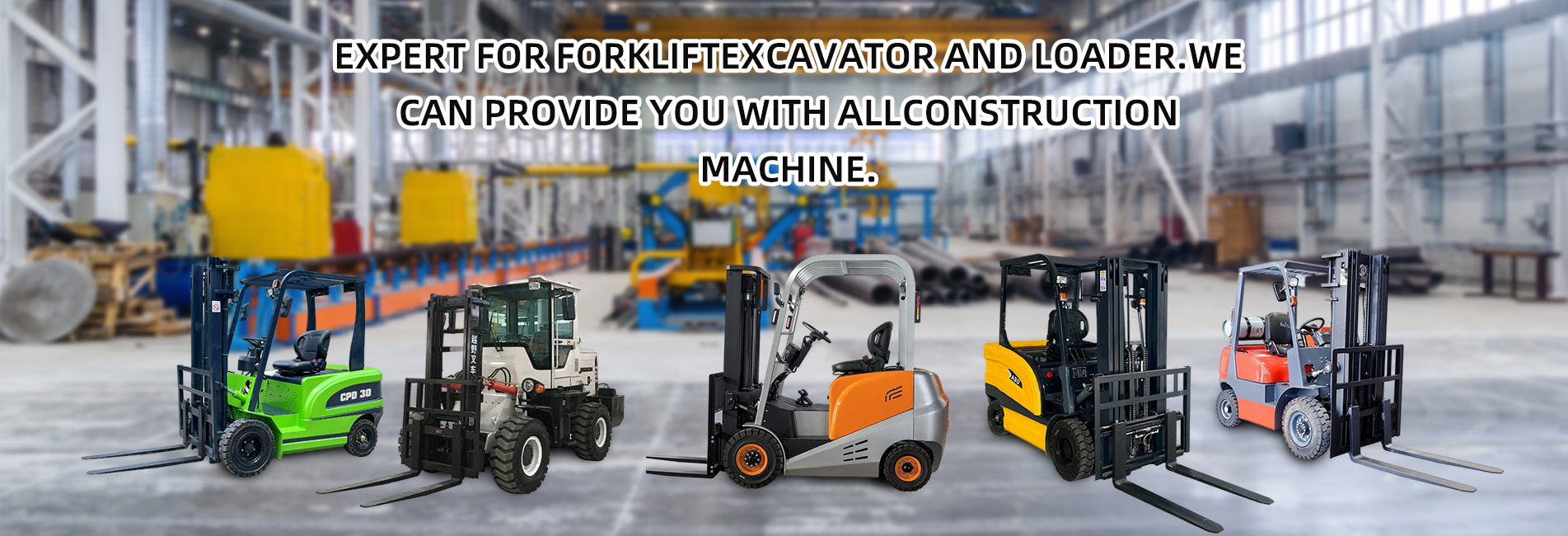
If your operation runs indoors — warehouses, food facilities, factories, distribution centers — the choice usually narrows to two candidates: electric (battery-powered) or LPG/propane (internal combustion). Diesel is effectively excluded by indoor air quality rules in most markets, but electric vs LPG is a genuine decision, and the right answer depends on your ceiling height, shift pattern, fuel logistics and local regulations. This comparison walks through the differences that actually affect your operating budget and your people.
Indoor Air Quality: The First Filter
LPG burns cleaner than diesel, but it still combusts fuel indoors. That means:
- Carbon monoxide (CO) emissions require ventilation management. Many jurisdictions (including OSHA in the US) enforce workplace CO limits; a fleet of LPG trucks in a poorly ventilated warehouse can approach those limits, especially in winter when bay doors stay closed.
- Food, pharma and cold-chain facilities often prohibit any internal combustion indoors regardless of ventilation, for contamination and audit reasons.
- Electric forklifts produce zero tailpipe emissions — no CO, no particulates, no fuel smell in stored goods.
Rule: if you operate in food processing, cold chain, pharma or any audit-driven environment, electric is the default. If you run a well-ventilated general warehouse, LPG stays on the table.
Ceiling Height, Ventilation and Facility Constraints
LPG trucks need overhead clearance for the propane cylinder and, more importantly, ventilation headroom. Counterbalance LPG units also tend to be built on heavier chassis. Electric three-wheel and four-wheel models come in more compact footprints and narrower aisle capabilities. Check your facility for:
- Lowest obstruction (sprinklers, ducting, door frames) versus mast raised height
- Aisle width against the truck's turning radius — electric 3-wheelers win tight aisles
- A safe, ventilated area for cylinder storage and swapping (LPG requires a designated cage away from exits; batteries require a charging area with adequate spacing — each has facility rules, but LPG storage rules are generally stricter)
Running Costs: Fuel/Energy Price per Hour
Energy math at typical rates:
Cost item | Electric (lithium) | LPG |
Energy per hour of work | ~0.5–0.8 USD (charging, mid-tariff) | ~1.5–3 USD (cylinder consumption, varies with fuel price) |
Maintenance per year | Low: no oil, filters, spark plugs, exhaust | Higher: engine service, filters, plugs, coolant, emissions checks |
Fuel infrastructure | Charger installation (one-time) | Cylinder delivery logistics + storage cage |
Price stability | Electricity tariffs are regulated and stable | Propane prices swing with oil markets |
The gap widens with usage: a single-shift fleet might see modest savings; a two- or three-shift operation typically finds electric decisively cheaper on total energy + maintenance spend.
Maintenance and Downtime Profile
- LPG carries an engine: oil changes, spark plugs, air/fuel filters, cooling system, exhaust checks. More moving parts mean more scheduled work and more failure modes.
- Electric has a fraction of the drivetrain complexity; maintenance centers on battery health, brakes and hydraulics. Lithium packs also eliminate battery watering and equalizing that burdened older electric fleets.
- Downtime behavior: LPG trucks refuel in 5 minutes via cylinder swap — historically their big advantage. Modern lithium charging (1–2 hours full, opportunity top-ups during breaks) has closed most of that gap for single- and double-shift operations. For continuous 24/7 running, plan spare batteries or a swap system.
Operator Experience and Noise
Electric trucks are dramatically quieter (important in noise-regulated facilities and for early-morning/night shifts), produce no exhaust heat in summer, have no cylinder to lift and latch (a repetitive strain task LPG operators do daily), and offer smoother acceleration. These factors show up in shift productivity and operator retention more than buyers expect.
When LPG Still Makes Sense
To be fair to LPG — it wins in specific cases:
- Heavy outdoor/indoor mixed duty (lumber yards, ports) where no charging infrastructure exists
- Very high utilization with no charging window and no capital for spare battery packs
- Facilities with cheap propane contracts and strong ventilation
- Applications needing sustained high torque at grade all day (though modern electric counterbalance units increasingly close this gap)
Frequently Asked Questions
Q: Are LPG forklifts legal indoors?A: Generally yes, provided ventilation meets local workplace air standards (e.g., CO limits) and cylinders are stored correctly. However, food, pharma and some cold-chain facilities ban internal combustion indoors entirely — check your industry rules.
Q: How much does it cost to convert a fleet from LPG to electric?A: Main one-time costs are chargers and possible electrical panel upgrades. Many operations convert in phases — replacing the highest-hours LPG trucks first — and use fuel savings to fund the next tranche.
Q: Which is better for multi-shift operations?A: Historically LPG, due to fast refueling. With lithium opportunity charging (top-ups during breaks) and 1–2 hour full charges, electric now handles two shifts comfortably; for round-the-clock running, spec swappable battery packs.
Q: Do electric forklifts have enough power for ramps and heavy loads?A: Modern electric counterbalance forklifts match LPG counterparts on rated capacity and handle ramps well; verify the machine's gradeability spec for your ramp slope and load weight before ordering.
Conclusion: for most indoor operations, electric wins on emissions, energy cost per hour, maintenance spend and operator comfort — and lithium charging has erased LPG's historic refueling advantage. LPG remains rational where outdoor duty, refueling windows and fuel contracts align. If you share your shift pattern, facility constraints and annual hours per truck, we can model the electric-versus-LPG running cost comparison for your specific fleet and quote the right machines.