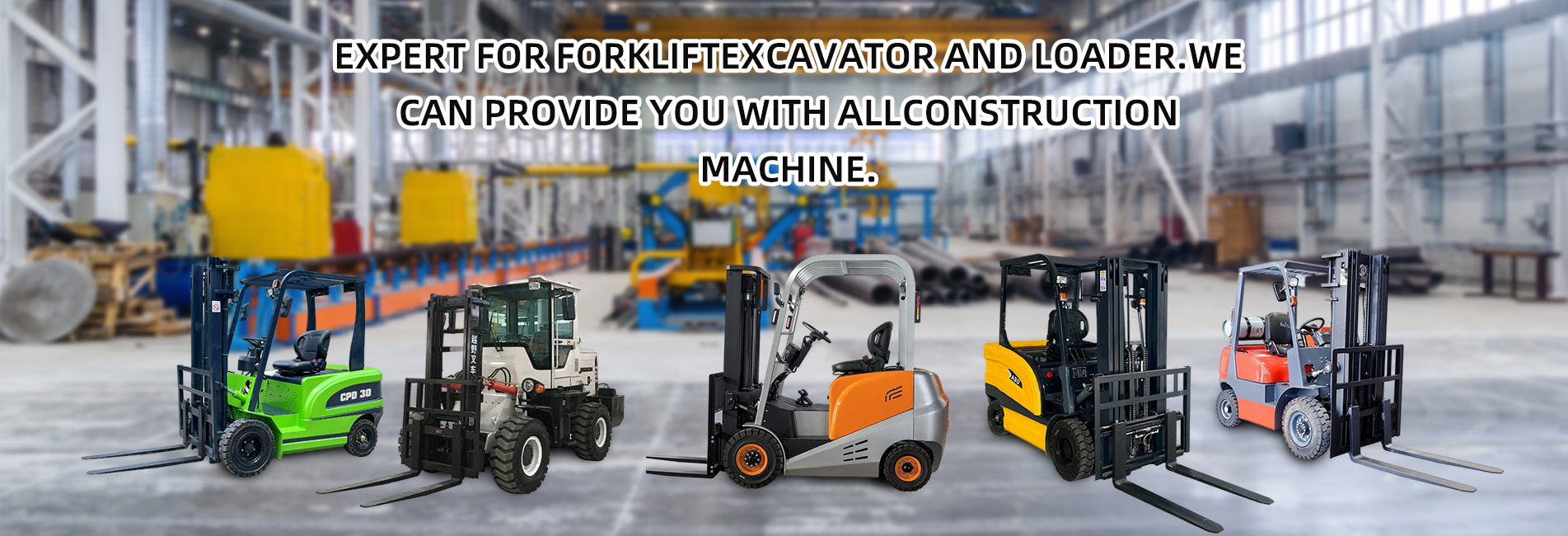
Fault Codes of Electric Forklifts
Fault codes of electric forklifts vary significantly by brand (e.g., Heli, Hangcha, Linde, Jungheinrich, Toyota), model, and control system (e.g., Curtis, ZAPI, electronic control brands). However, the coding logic for core fault types (power supply, motor, control, and safety systems) is consistent. Below is a general fault classification + high-frequency fault codes of mainstream brands + troubleshooting and handling solutions to help you quickly locate problems:
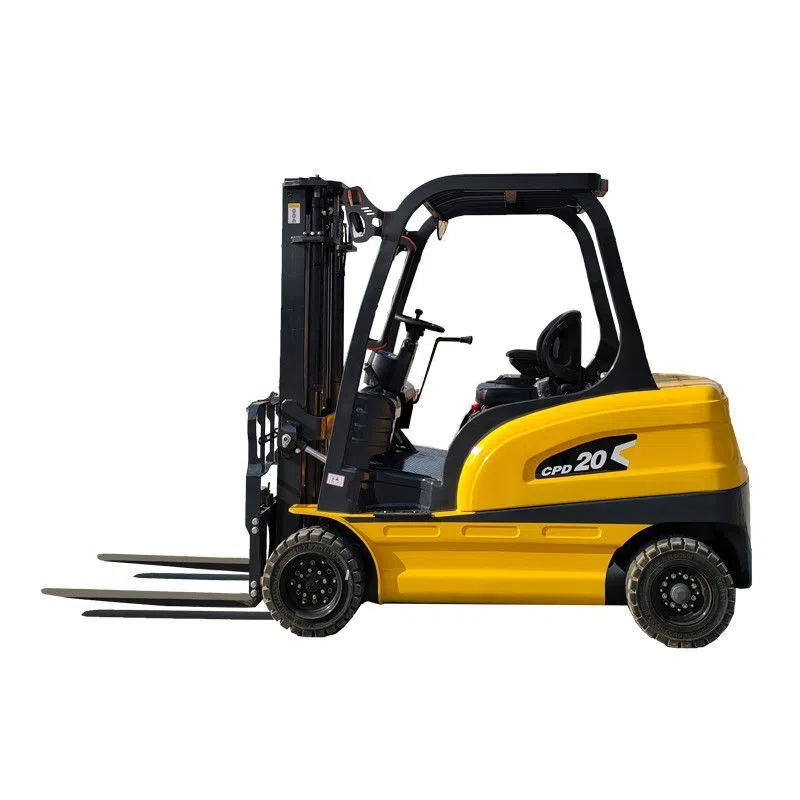
I. Core Classification of Electric Forklift Fault Codes (General Logic)
| Major Fault Category | Common Fault Points | General Code Characteristics (Reference) |
|---|
| 1. Power Supply System Fault | Battery undervoltage, overvoltage, poor contact, abnormal temperature | Codes mostly start with "E01-E10" |
| 2. Motor System Fault | Drive motor/steering motor overload, short circuit, Hall sensor fault | Codes mostly start with "E11-E20" |
| 3. Control System Fault | Electronic Control Unit (ECU) fault, abnormal throttle/joystick signal | Codes mostly start with "E21-E30" |
| 4. Safety System Fault | Brake fault, limit switch triggered, seat belt unfastened | Codes mostly start with "E31-E40" |
| 5. Hydraulic System Fault | Hydraulic pump motor fault, abnormal lifting limit | Codes mostly start with "E41-E50" |
II. High-Frequency Fault Codes and Handling Solutions of Mainstream Brands
1. Heli Electric Forklift (Mainstream Domestic Brand, Compatible with Curtis Electronic Control)
| Fault Code | Fault Meaning | Troubleshooting and Handling Steps |
|---|
| E01 | Battery undervoltage (below 85% of rated voltage) | 1. Check battery power and charge in a timely manner; 2. Clean battery terminals (oxidation causes false voltage); 3. Test individual battery cell voltage (replace the battery if a cell’s voltage is too low) |
| E02 | Battery overvoltage (overcharging, above 115% of rated voltage) | 1. Stop charging, cool down for 30 minutes, then restart; 2. Check if the charger is compatible (e.g., using a 60V charger for a 48V battery); 3. replace the faulty charger |
| E05 | Drive motor overload (long-term heavy load, climbing) | 1. Reduce the load and pause operation for 10-15 minutes to dissipate heat; 2. Check if the drive wheels are stuck (remove foreign objects); 3. Test the motor winding temperature (repair the motor if overheated) |
| E12 | Steering motor Hall sensor fault | 1. Check if the steering motor connector is loose or waterlogged; 2. replace the Hall sensor (universal accessory, cost approximately 50-200 RMB); 3. Calibrate the steering angle |
| E23 | Abnormal throttle joystick signal | 1. Reconnect the joystick connector and clean the contacts; 2. Check if the joystick travel is smooth (lubricate if stuck); 3. replace the faulty joystick (universal model, cost approximately 300-800 RMB) |
2. Hangcha Electric Forklift (Mainstream Domestic Brand, Compatible with ZAPI Electronic Control)
| Fault Code | Fault Meaning | Troubleshooting and Handling Steps |
|---|
| ERR-01 | Main contactor fault (failure to engage/welding) | 1. Check if the contactor coil is energized (measure voltage with a multimeter); 2. Clean the contactor contacts (grind or replace if welded); 3. Troubleshoot if the electronic control output signal is normal |
| ERR-08 | Hydraulic pump motor short circuit/overload | 1. Stop lifting operations and cool down the hydraulic motor; 2. Check if the hydraulic oil is sufficient (insufficient oil causes excessive load); 3. Test the motor winding insulation with a multimeter (repair the motor if short-circuited) |
| ERR-15 | Safety limit switch triggered (mast overheight/excessive forward tilt) | 1. Adjust the mast height/forward tilt angle and reset the limit switch; 2. Check if the switch is damaged (replace if no rebound when pressed); 3. Temporarily short-circuit the switch for testing (confirm if the switch is faulty) |
| ERR-22 | Electronic Control Unit (ECU) communication fault | 1. Power off and restart the forklift (clear temporary faults); 2. Check if the electronic control wiring harness is damaged or waterlogged; 3. Contact the manufacturer to refresh the electronic control program or replace the ECU |
3. Linde Electric Forklift (Mainstream Imported Brand)
| Fault Code | Fault Meaning | Troubleshooting and Handling Steps |
|---|
| 212 | Battery overheating (exceeding 45℃) | 1. Stop operation and move to a cool place to dissipate heat; 2. Check if the battery cooling fan is working; 3. Test if the battery is aging (excessive internal resistance causes overheating) |
| 331 | Drive motor speed sensor fault | 1. Check the gap between the sensor and the motor ring gear (standard 0.5-1mm); 2. Clean the sensor probe (dust affects signals); 3. replace the sensor |
| 417 | Brake system fault (electromagnetic brake not released) | 1. Check if the brake power supply is connected; 2. Clean the brake electromagnet (dust causes jamming); 3. replace the faulty brake coil |
| 505 | Abnormal hydraulic system pressure sensor | 1. Check the hydraulic oil level (replenish if low); 2. Clean the sensor interface (oil contamination affects signals); 3. Calibrate or replace the pressure sensor |
4. Toyota Electric Forklift
| Fault Code | Fault Meaning | Troubleshooting and Handling Steps |
|---|
| CO1 | Battery undervoltage protection | 1. Test after charging; 2. Check if the battery connections are loose; 3. Test the battery capacity (maintain if below 80%) |
| CO6 | Motor overheating protection (drive/steering motor) | 1. Pause operation to dissipate heat; 2. Check if the motor heat dissipation channel is blocked; 3. Troubleshoot if long-term overloading is occurring (adjust the load) |
| C13 | Joystick signal fault | 1. Restart the forklift to reset; 2. Check if the joystick wiring is worn; 3. replace the joystick potentiometer |
III. General Troubleshooting Process (Applicable to All Brands)
Step 1: Record Information
Note down the fault code, occurrence scenario (e.g., during charging/heavy load/steering), and forklift model (e.g., Heli CPD30, Linde E30) to facilitate accurate subsequent troubleshooting.Step 2: Basic Troubleshooting (No Professional Tools Required)
- Power Off and Restart: Turn off the forklift power, wait for 5 minutes, then restart. 80% of temporary faults (e.g., signal interference) can be eliminated;
- Check Wiring: Inspect if battery terminals, motor connectors, and electronic control interfaces are loose, oxidized, or waterlogged (clean with a dry cloth, apply conductive paste to oxidized areas);
- Visual Inspection: Check for obvious issues such as damaged wiring, motor overheating, or hydraulic oil leakage.
Step 3: Professional Troubleshooting (Requires Tools or Manufacturer Support)
- Use a multimeter to test battery voltage, motor winding resistance, and sensor signals;
- If the fault code recurs, contact the brand’s after-sales service (e.g., Heli 400-887-5757, Linde After-sales), provide the fault code and model, and obtain a precise maintenance plan;
- Do not disassemble core components such as the electronic control unit or motor by yourself (prone to secondary faults).
IV. Key Reminders
- Brand Differences: Fault code definitions vary by brand (e.g., "E01" indicates battery undervoltage for Heli but may indicate a contactor fault for Hangcha). Prioritize referring to the forklift operation manual (which contains a dedicated code table);
- Safety First: Before the fault is resolved, prohibit high-intensity operations such as heavy loading and climbing to avoid motor burnout or safety accidents;
- Regular Maintenance: Test the individual battery cell voltage every 3 months, and clean the motor and electronic control heat dissipation channels annually. This can reduce 80% of faults.