
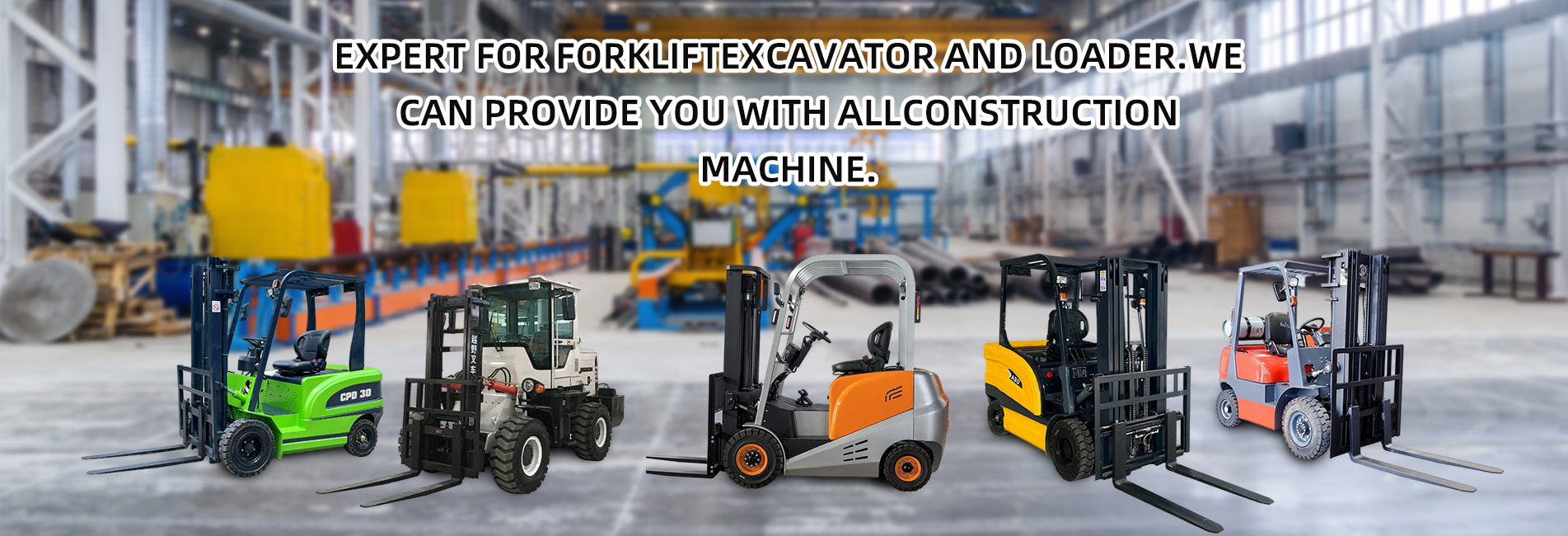
A standard forklift moves pallets — that's it. But the moment your operation handles drums, paper reels, bales, tires, or unpalletized goods, the standard fork becomes the bottleneck. The right attachment turns one forklift into a machine for a dozen different jobs. The catch: attachments change the truck's lifting capacity, its hydraulics and even its stability. This guide explains the most common attachment types, what they're really for, and how to specify them without buying problems.
The Two "Universal" Attachments Every Warehouse Should Consider
Side shifter (SS)
A hydraulic frame that moves the entire fork carriage left and right about 100–200 mm.
- What it solves: precise pallet placement without repositioning the whole truck. Operators save 10–20 seconds per placement; over hundreds of cycles a day, that's the single highest-ROI attachment in warehousing.
- Watch out for: it adds ~80–150 kg to the carriage, slightly reducing net capacity, and requires one additional hydraulic function.
Fork positioner (FP)
A hydraulic frame that spreads or narrows both forks simultaneously while carrying the load.
- What it solves: handling pallets of different widths without the operator leaving the seat to manually adjust forks — essential in mixed-goods operations, beverage distribution and steel/pipe handling.
- Watch out for: weight penalty is larger (often 150–300 kg); capacity derating must be checked on the truck's data plate.
Rule of thumb: if your fleet handles mixed pallet sizes or works in tight racking, side shifter + fork positioner combinations (SS+FP) pay for themselves within a year of intensive use.
Application-Specific Clamps: Choose by What You Actually Carry
Rotating clamp (paper reel clamp / rotator)
Rotates the load a full 360°. Used for paper reels, waste bins, food-grade tipping. Requires two extra hydraulic functions and careful derating — reels are often handled at significant load centers.
Bale clamp
Handles cotton, wool, hay, recycled materials — anything compressed and palletless. The clamp arms apply pressure, so product tolerance to clamping force matters; soft bales need pressure-reducing valves.
Drum clamp / drum rotator
Grips steel or plastic drums (55-gallon / 200L standard). Rotator versions can pour contents. Widely used in chemical, food-oil and lubricant operations. Note: a full 200L steel drum is ~200 kg but has an awkward geometry — confirm the clamp suits drum type (steel/fiber/plastic) before ordering.
Carton clamp
Large flat clamping plates for boxed appliances, furniture and white goods shipped palletless. Maximizes container space utilization — a major cost lever for importers, since palletless loading fits 15–25% more volume per container.
Tire clamp, block clamp, foam clamp
Specialized pressure-sensitive clamps for tires, bricks/blocks and fragile foam goods. These usually need adjustable or replaceable contact pads and fine hydraulic pressure control.
The Critical Part: Capacity Derating and Hydraulic Functions
Before adding any attachment, check three things on your forklift:
1. Net capacity
Every attachment consumes part of the truck's rated capacity through its own weight and by moving the load center forward. A 3-ton forklift with a 350 kg carton clamp does not lift 3 tons — it may safely lift only 2.2–2.4 tons depending on load center. The data plate must be re-issued for the truck + attachment combination. Never skip this step; overloaded mast welds are a leading cause of structural failure.
2. Hydraulic functions
Standard forklifts have two functions (lift + tilt). Each attachment adds functions:
Attachment | Extra hydraulic functions needed |
Side shifter | +1 |
Fork positioner | +1 (can share with SS in combos) |
Clamp / rotator | +1 or +2 |
The truck must be ordered (or retrofitted) with the correct valve bank and piping. Retrofitting is possible for many Chinese-built forklifts but costs more than specifying at the factory — decide attachments before purchase, not after.
3. Mast and chassis compatibility
High clamping forces transmit into the mast channels and carriage. Confirm with the supplier that the mast's carriage bar size (e.g., ITA Class II / Class III) matches the attachment's mounting class — mixing classes is unsafe and voids certification.
Buying Checklist: Six Questions Before You Order
- What exactly is being handled? (dimensions, weight, palletized or not, fragility)
- What is the load center of the heaviest item? — this, not just weight, determines capacity.
- Which hydraulic functions does my truck have or need?
- What is the derated net capacity with the attachment fitted?
- Are contact pads/arm linings replaceable? (wear items — replaceability halves lifetime cost)
- Is the attachment ITA-classified or supplied with a manufacturer's certificate? (required for CE compliance and insurance)
Frequently Asked Questions
Q: Can I fit a side shifter to an existing forklift myself?A: Mechanically it bolts to the carriage, but it needs an additional hydraulic line and valve — this is a workshop job with pressure testing, followed by re-issuing the data plate. Most owners order the truck pre-fitted; it's cheaper and keeps certification clean.
Q: Does an attachment void the forklift warranty?A: Using a certified attachment installed to spec does not void the machine warranty. An uncertified or overloaded installation can. Always notify the supplier when adding attachments.
Q: Which attachment should a small warehouse buy first?A: Almost always a side shifter. It's the lowest-cost, lowest-risk productivity upgrade and pays back in daily cycle-time savings, regardless of what you carry.
Q: Do attachments work with lithium electric forklifts?A: Yes — hydraulic functions are driven by the truck's hydraulic system, not the battery chemistry. Just verify the pump's flow rate supports the extra functions without slowing lift speed.
Conclusion: attachments are where forklift fleets quietly gain or lose money. Match the attachment to the actual load — not the brochure — verify net capacity and hydraulic functions with the supplier at order time, and prioritize the side shifter if you're starting from zero. Tell us what you handle and at what load centers, and we'll spec the right carriage and attachment combination from our spare parts and options catalog before your