
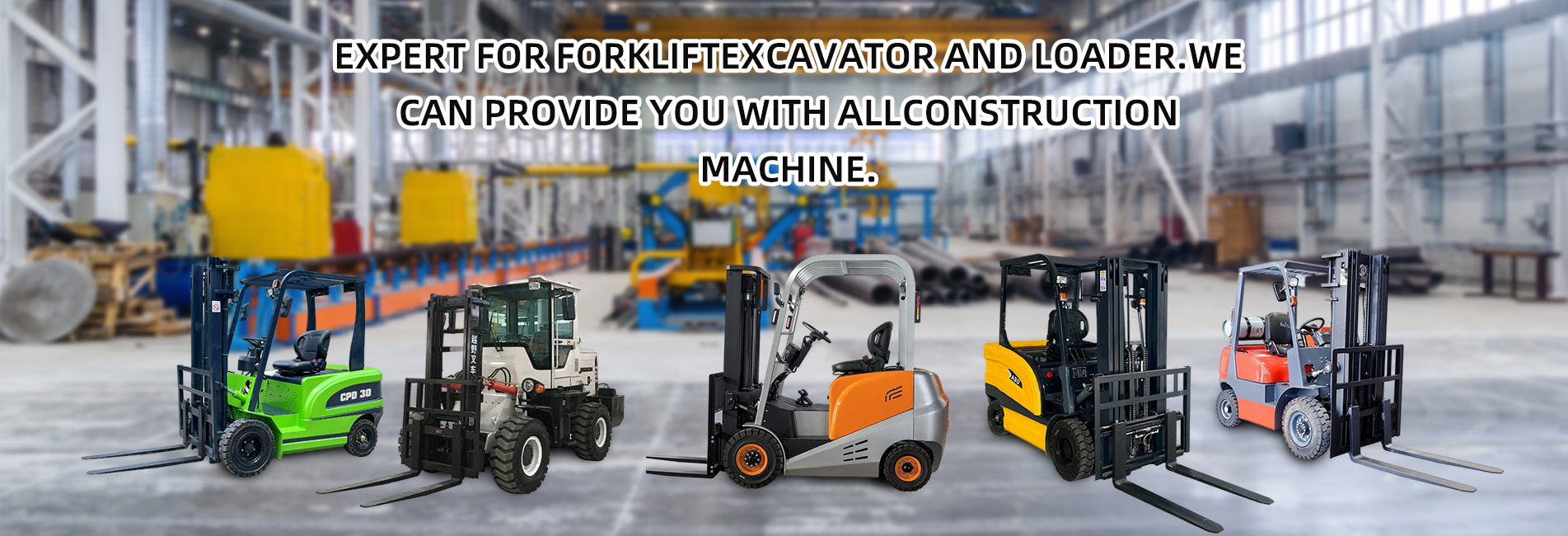
Full name: Liquefied Petroleum Gas (LPG) Counterbalanced Internal Combustion Forklift Truck. Fuel: liquefied petroleum gas (mainly propane), categorized under internal combustion forklifts. It is divided into single-fuel LPG forklifts and bi-fuel (LPG + gasoline) forklifts. The gas cylinder is mounted on the counterweight behind the operator compartment.
1. Basic Working Principle
Liquid LPG inside the high-pressure cylinder is vaporized via a pressure reducing valve and fed into the gasoline engine for combustion to generate power. Bi-fuel models support switching between LPG and gasoline via a selector switch.
2. Core Advantages
- Suitable for both indoor and outdoor operationLPG combustion produces far fewer emissions than diesel, with no black smoke and minimal particulate matter. Ideal for warehouses, loading docks, food factories and pharmaceutical workshops (not zero-emission; adequate ventilation is mandatory).
- Ultra-fast refueling, suitable for multi-shift continuous operationCylinder replacement only takes 2–5 minutes, unlike electric forklifts which require hours of charging. Supports 24-hour round-the-clock operation.
- Stable power and excellent low-temperature performancePower output does not decline in cold environments. It outperforms lithium-ion forklifts in climbing and sustained heavy-load operations.
- Lower initial purchase cost than lithium forklifts; no dedicated charging room required.
- Less carbon buildup in the engine, easier maintenance compared to diesel forklifts.
3. Main Disadvantages
- Exhaust emissions remain present (CO, NOₓ)Long-term operation inside enclosed, poorly ventilated warehouses is prohibited. Electric forklifts are preferred for clean food workshops and enclosed cold storage.
- The gas cylinder occupies rear space and partially obstructs rear visibility.
- Risk of gas leakage and deflagration; strict management standards for gas cylinders apply.
- Higher long-term operation cost than lithium forklifts; periodic maintenance of engine oil, spark plugs and filters is required.
- Environmental policies are tightening in many regions; some factories restrict access for internal combustion forklifts.
4. Typical Applicable Industries
✅ Recommended Scenarios: Food processing plants, beverage warehouses, daily chemical workshops, auto parts workshops, loading docks with mixed indoor & outdoor tasks, building material warehouses, multi-shift logistics transfer hubs.
❌ Not Recommended: Enclosed cold storage, dust-free clean workshops, underground enclosed warehouses, and sites requiring zero exhaust emissions.
5. Comparison: LPG / Diesel / Lithium Forklift
| Item | LPG Forklift | Diesel Forklift | Lithium Electric Forklift |
|---|---|---|---|
| Emissions | Low, no black smoke | High, visible soot | Zero exhaust |
| Refueling / Recharging | Cylinder exchange (3 mins) | Refueling | Charging (fast charge: 1–3h) |
| Indoor Usage | Allowed under ventilation | Mainly outdoor only | Usable in any enclosed indoor area |
| Low-temperature Performance | Excellent | Good | Capacity degradation at low temperature |
| Continuous Multi-shift Work | Excellent | Excellent | Spare batteries required |
| Initial Purchase Cost | Medium | Low | High |
| Long-term Energy Cost | Medium | High | Lowest |
| Safety Risks | LPG leakage risk | Fuel fire hazard | Battery thermal runaway risk |
6. Key Safety Operating Procedures (High Priority)
- Gas Cylinder InspectionCheck daily for cylinder deformation, corrosion, valve damage and aging/cracked hoses. Conduct leak test with soapy water. Shut down immediately if gas odor is detected.
- Cylinder Replacement RulesReplace cylinders in well-ventilated open areas with engine off and parking brake engaged. Secure the cylinder firmly; avoid impact and direct sunlight exposure.
- Operating EnvironmentFor sustained operation inside enclosed workshops, forced ventilation must be guaranteed. No hot work or welding near gas cylinders.
- Prohibited OperationsDo not modify gas pipelines without authorization. Do not use expired cylinders. Avoid prolonged engine idling.
- Emergency ResponseIn case of leakage, shut down the engine immediately, move the vehicle outdoors to a ventilated zone, keep away from ignition sources, and refrain from switching any electrical devices.
7. Common Standard Load Capacities
Mainstream models on the market: 2-ton, 2.5-ton, 3-ton, 3.5-ton LPG counterbalanced forklifts. For heavy loads of 5 tons and above, diesel forklifts are mostly adopted.
If needed, I can further provide:
- Selection advice: 3-ton lithium forklift vs LPG forklift;
- Routine maintenance checklist;
- Template for on-site gas cylinder storage & safety management regulations.