
Trump’s proposal to impose a 20% cargo toll on vessels transiting the Strait of Hormuz is essentially a geopolitical bargaining gesture. It lacks legitimate basis under international law and faces extremely high implementation barriers. Moreover, an alternative scheme was floated only one day after the announcement. Even so, the biggest market impact is heightened expectations of disrupted Middle East shipping, tighter crude oil supply, and sustained upward pressure on global oil prices.
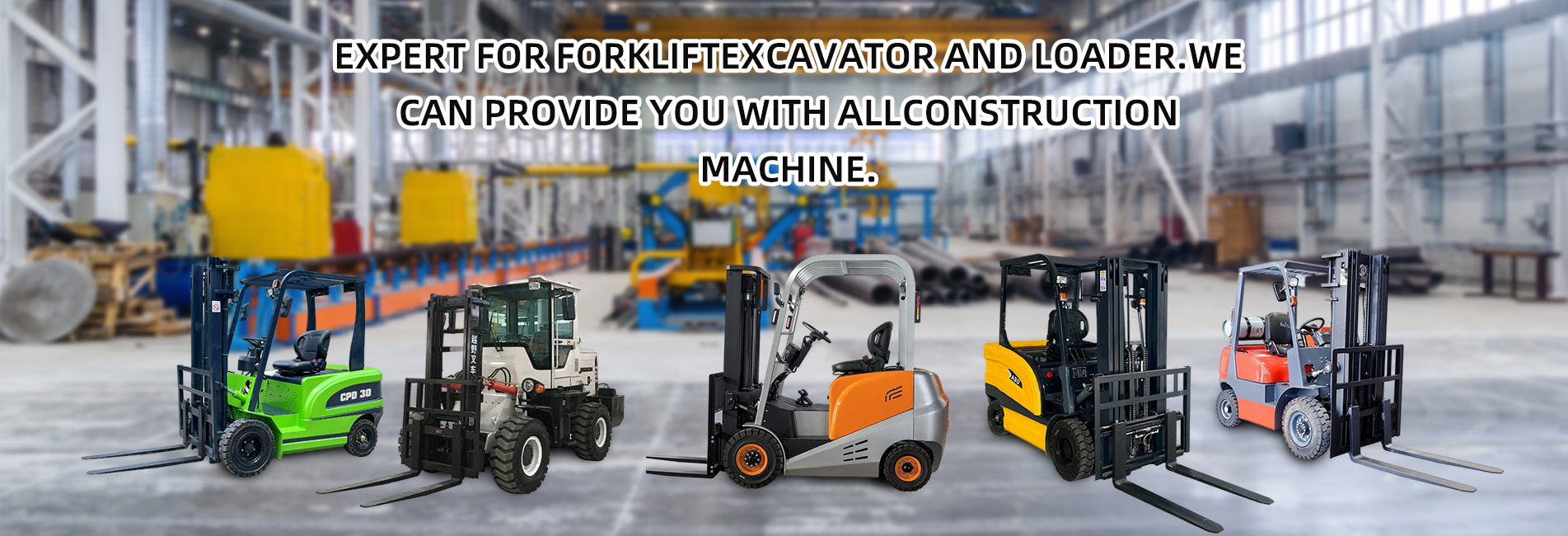
If U.S.-Iran tensions continue and disrupt maritime traffic in the Strait, global diesel costs will rise and fossil fuel market uncertainty will increase. This will benefit the new energy forklift industry — mainly lithium-ion forklifts, with hydrogen forklifts as a long-term supplement — across three dimensions: end-market demand, industrial transformation expectations, and export growth.I. Core Benefits for the Domestic Market
1. Widening Cost Advantage Accelerates Diesel Forklift Replacement
Based on typical operating data for 3-ton forklifts, daily fuel costs for a diesel forklift range from RMB 60 to 70, while the electricity cost for an equivalent lithium-ion forklift is only RMB 12 to 18, representing a cost difference of more than 75%.As oil prices trend higher, the payback period for switching to electric forklifts shortens significantly. Warehousing, manufacturing, port and logistics operators are accelerating the phase-out of old internal combustion forklifts and prioritizing electric models for new purchases.Diesel forklifts require regular and costly maintenance, including oil changes, filter replacements and engine upkeep. New energy forklifts have no internal combustion engine, cutting annual maintenance expenses by over 50%. Facing volatile energy markets, companies are increasingly locking in stable electricity costs to avoid diesel price volatility.2. Rising Energy Security Awareness Speeds Up Industrial Electrification
History shows that geopolitically driven oil crises always accelerate industrial de-fossilization and electrification.Manufacturing and logistics firms now recognize the dual risks of diesel price spikes and potential supply disruptions. Indoor and on-site material handling — the core application scenario for forklifts — is one of the easiest and most practical areas for industrial electrification.Compared with heavy trucks and large construction machinery, forklifts feature fixed operation routes, moderate power demand and simple charging infrastructure, making them the preferred equipment for corporate electrification upgrades.3. Stronger Demand Growth in Port and Foreign Trade Scenarios
Strait of Hormuz tensions push up global shipping costs and squeeze profit margins for foreign trade terminals, bonded warehouses and cross-border logistics parks.Under cost pressure, enterprises are actively adopting new energy forklifts to lower long-term operating expenses. Combined with tightening global port emission regulations, both economic and policy factors drive stronger demand for electric forklifts.II. Export Benefits: A Key New Growth Driver
1. Risk-Averse Procurement by Overseas Businesses
Faced with rising diesel price risks, importers in Europe, Southeast Asia and the Middle East are reducing orders for internal combustion forklifts and increasing purchases of lithium-ion electric forklifts. Chinese electric forklifts benefit from strong cost performance and a complete domestic lithium supply chain, further boosting export competitiveness.2. Long-Term Opportunities in the Middle Eastern Market
Although Middle Eastern countries are major oil producers, regional conflicts create extreme oil price volatility. Coupled with global carbon neutrality trends, local warehousing and logistics operators are gradually adopting electric forklifts, opening long-term market potential.Risk Warning: Escalating geopolitical conflict or a global trade recession could reduce overseas corporate capital expenditure and partially offset these positive effects.III. Differentiated Impacts on Forklift Segments
1. Lithium-ion Forklifts (Main Beneficiary)
With mature technology and reliable charging solutions, lithium-ion forklifts suit most indoor and outdoor warehouse scenarios and show the strongest short-term demand growth. High-speed fast-charging lithium forklifts are especially favored by large logistics enterprises.2. Hydrogen Fuel Cell Forklifts (Medium- and Long-Term Catalyst)
Hydrogen forklifts are ideal for heavy-load, 24/7 continuous operation. Heightened energy insecurity reinforces the trend of diversified energy substitution for fossil fuels and promotes the construction of on-site hydrogen refueling infrastructure. Nevertheless, large-scale penetration is still limited by insufficient hydrogen facilities in the short term.3. Negative Impact on Traditional Equipment
Traditional diesel forklifts and supporting diesel engine industries face downward pressure.IV. Objective Market Constraints
1. Scenario-Dependent Strength of Benefits
If tensions remain rhetorical and shipping remains unobstructed, oil prices will only fluctuate mildly, and the positive impact will be limited to market sentiment and thematic speculation.Only sustained strait disruptions and sharp, lasting oil price increases will translate expectations into real order growth.2. Macroeconomic Offsetting Risks
A severe energy crisis may trigger a global economic slowdown and suppress capital spending across manufacturing and logistics sectors, dragging down overall forklift demand. This is therefore a structural upgrade cycle: electric forklift market share rises even if overall industry growth weakens.V. Concise Conclusion
U.S.-Iran geopolitical friction raises supply risks in the Strait of Hormuz, stoking market concerns over tighter crude supply and higher diesel prices.This brings three clear benefits to new energy forklifts:
✅ Widening operating cost advantages accelerate the replacement of diesel forklifts.
✅ Rising energy security awareness speeds up industrial electrification penetration.
✅ Shifting global procurement preferences toward electric equipment drive China’s forklift export growth.
In essence, the industry is benefiting from oil-price-driven stock replacement. The magnitude of the upside depends on whether geopolitical tensions sustain higher global oil prices.