
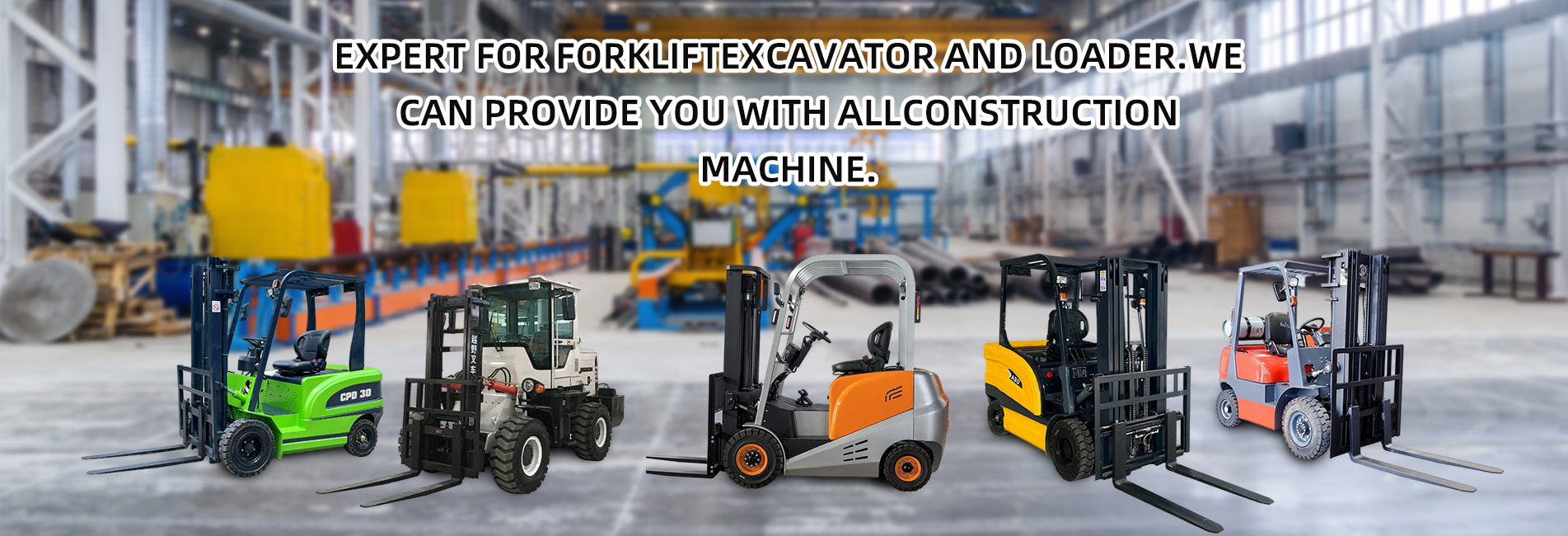
Lithium-ion Electric Forklifts (China) vs Traditional Diesel Forklifts – Core Advantages
Structured around 5 key concerns of overseas clients: Total Operating Cost, Environmental Performance, Working Conditions, Policies & Regulations, Maintenance
I. Total Cost of Ownership (TCO) Advantage – Top Priority for Overseas Buyers
- Lower energy expensesDiesel prices remain persistently high. Power consumption costs for lithium forklifts are only 1/4 ~ 1/6 of fuel expenses for diesel forklifts. The cost gap widens significantly under multi-shift continuous operations.
- Greatly reduced maintenance work
- Diesel forklifts: Regular replacement of engine oil, oil filters, fuel filters, air filters, spark plugs, plus engine and exhaust system servicing with numerous wearing parts.
- Lithium forklifts: No internal combustion engine. No oil or fuel system maintenance required. Only tires, brakes and hydraulic systems need inspection. Maintenance frequency and spare parts expenditure drop by over 50%.
- Better residual valueBatteries of compliant lithium forklifts can be recycled separately. When reaching the same service life, used electric forklifts generally command higher resale value than ageing diesel models.
II. Environmental & Site Adaptability Advantages
- Zero tailpipe emissionsDiesel forklifts continuously emit carbon monoxide, nitrogen oxides and particulate matter. Lithium forklifts produce no exhaust gas, so they can operate directly in indoor warehouses, food, pharmaceutical, cold chain and retail confined spaces without cargo contamination or mandatory ventilation requirements.
- Low noise outputCombustion engines generate loud noise. Lithium forklifts run quietly, suitable for night shifts and factories near residential areas, helping avoid penalties under noise control regulations.
- No risk of oil contaminationEliminates risks of diesel and engine oil leakage, preventing slippery floors and polluted goods while cutting cleaning costs.
III. Performance & Operability
- Smooth torque with strong instant powerMotors deliver ample low-speed torque for responsive hill start and heavy-load takeoff, without the shift jerk found on diesel forklifts.
- Simple operationStepless speed control lowers the learning threshold for new operators.
- Regenerative energy recoveryElectricity is automatically recovered during braking and downhill travel to extend operating range and save power long-term.
IV. Alignment with Global Legislation – Critical Competitive Edge for Overseas Markets
- EU Low Emission Zones (LEZ) and tightening non-road internal combustion engine emission rules restrict older diesel forklifts, bringing risks of access bans and fines. Some regions plan gradual limits on indoor use of internal combustion forklifts.
- For corporate ESG, carbon neutrality and green supply chain audits, electric equipment helps satisfy tender requirements from major clients.
- Many countries offer subsidies and tax reductions for electric industrial vehicles.
V. Safety Advantages
- No diesel storage and refuelling procedures, removing fire and leakage hazards; no dedicated fuel storage zones required inside warehouses.
- Lithium systems are equipped with a built-in Battery Management System (BMS) featuring protection against overcharging, over-discharging, overheating and short circuits.
VI. Objective Limitations
- Higher upfront procurement cost: New lithium forklifts of the same tonnage cost more than diesel alternatives. Cost savings on electricity and maintenance deliver payback within 3–5 years.
- Charging infrastructure required: Charging stations need layout planning on site. For remote sites without power supply, diesel forklifts offer greater flexibility (swap battery solutions can mitigate this drawback).
- For extreme continuous heavy-duty cycles, purchasing cost rises noticeably when selecting large-capacity lithium batteries.
Concise Summary
Lithium-ion electric forklifts demand higher initial investment, yet deliver lower energy bills, cheaper maintenance, zero emissions, low noise and wider site compatibility. They comply with global environmental regulations and fit multi-shift indoor operations in warehouses and manufacturing plants. Total long-term operating costs are far superior to diesel forklifts.