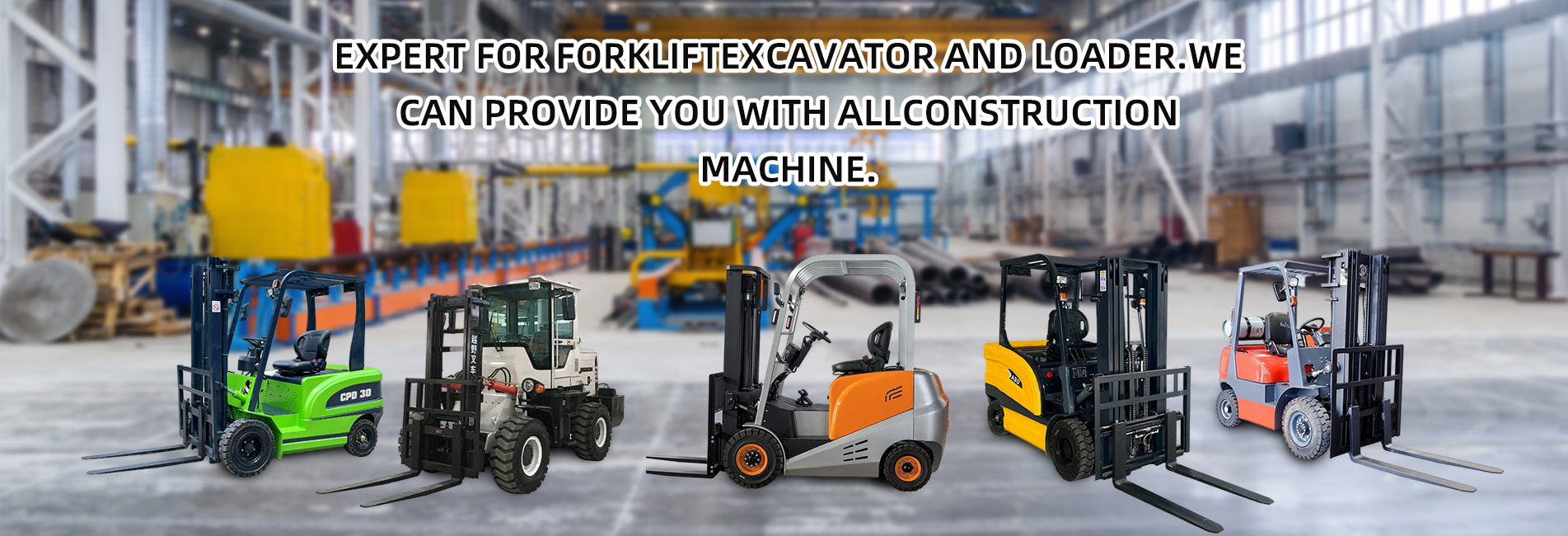
Core changes stipulated in this memorandum include a ceasefire, lifting of maritime blockades, resumption of Iran’s crude oil exports, unfreezing of Iran’s overseas assets, negotiations within 60 days for the full removal of primary and secondary U.S. sanctions against Iran, and a USD 300 billion Iranian reconstruction plan. The document reshapes the landscape of the electric forklift industry across five dimensions: Iranian market demand, global trade and logistics, supply chain costs, competition between Chinese and foreign manufacturers, and financial settlement.
I. Direct Benefits: Exploding Import Demand for Electric Forklifts in Iran (Core Source of New Growth)
1. Revitalization of Iran’s Economy and Infrastructure Expands Market Scale
Decades of prolonged sanctions have left Iran’s logistics, port, manufacturing and warehousing equipment severely outdated. The country’s annual forklift imports stand at merely around 4,300 units, with a low penetration rate of electric forklifts, yet its annual growth rate of 4.9% ranks among the highest in the Middle East. The memorandum lifts crude oil export restrictions, unfreezes trillions of US dollars in overseas assets, and allocates USD 300 billion for reconstruction. Large-scale expansion projects for ports, petrochemical warehouses, manufacturing facilities and e-commerce logistics will trigger mass replacement of outdated internal combustion forklifts and new procurement of on-site logistics equipment, driving a medium-to-long-term doubling of electric forklift demand.Indoor warehousing, food & pharmaceutical, and cold chain sectors in Iran mandate zero-emission equipment by regulation. Coupled with cost gaps arising from fluctuating oil prices in the future, the replacement of internal combustion forklifts by electric models will accelerate.2. A Window of Export Opportunities for Chinese Electric Forklifts Bound for Iran
Even under sanctions, Chinese domestic forklift manufacturers saw exports to Iran surge dozens of times (Fujian’s forklift exports to Iran jumped 27.4-fold). The memorandum lifts maritime blockades and restores full navigation in the Persian Gulf, cutting sea freight transit time and slashing logistics costs by 30% to 50%. Meanwhile, the U.S. has granted phased trade exemptions, drastically lowering export barriers for China’s lithium-ion electric forklifts and cost-effective lead-acid forklifts.3. Simultaneous Expansion of Forklift Leasing and Aftermarket Service Sectors
Iran suffers from weak domestic forklift production capacity and severe spare parts shortages. Following the easing of sanctions, foreign capital may conduct normal investment in the country. Huge untapped market potential exists for electric forklift leasing, battery replacement and maintenance services. Complete vehicle exports will drive synchronized overseas sales of supporting components including batteries, electronic controllers and chargers.II. Global Cost Side: Falling Crude Oil Prices Temporarily Weaken the Relative Cost Advantages of Electric Forklifts
1. Eased Geopolitical Premiums Push Crude Oil Prices Down
Previously, U.S.-Iran tensions and the risk of blockades in the Strait of Hormuz inflated crude oil risk premiums, keeping fuel costs for internal combustion forklifts persistently high and forcing global manufacturers to switch from fuel-powered to electric fleets. The memorandum guarantees unimpeded navigation through the strait and restarts Iran’s crude exports, boosting global oil supply and pulling down benchmark crude prices.Lower operating costs for internal combustion forklifts will temporarily reduce small and medium clients’ cost-driven incentives to purchase electric alternatives, leading to a mild rebound in sales of internal combustion forklifts in low-to-mid-end market segments.2. Medium-to-Long-Term Fundamentals Remain Unchanged; Electrification Trend Intact
Stringent environmental regulations, mandatory zero-emission requirements for indoor operations, and long-term depreciation cost advantages of lithium batteries remain intact. Environmental policies across Iran and other Middle Eastern nations are tightening, and reconstruction projects widely require low-emission machinery. Oil price declines constitute only short-term volatility and will not reverse the long-term growth trajectory of electric forklifts.III. Trade & Settlement: Sanctions Relief Resolves Two Major Industry Pain Points
1. Sharply Reduced Risks of Secondary Sanctions (Biggest Benefit for Chinese Manufacturers)
Under the original U.S. secondary sanctions framework, any third-country enterprise engaging in large-scale transactions with Iran faced disconnection from U.S. financial systems. The memorandum clarifies that the U.S. will gradually revoke all unilateral sanctions and issue trade and financial exemptions during the transition period:- Chinese electric forklift manufacturers exporting to Iran no longer face risks of frozen USD settlement accounts;
- European, Japanese and Korean forklift brands regain market access to Iran. While competition intensifies, the overall market size expands simultaneously.
2. Full Restoration of Settlement, Insurance and Maritime Shipping
- Maritime logistics: Complete removal of maritime blockades within 30 days allows container and bulk carriers to dock directly at Iran’s key hubs including Bandar Abbas, eliminating mandatory transshipment via the UAE. This shortens logistics cycles and erases transshipment surcharges.
- Finance: Unfreezing of Iran’s overseas locked assets significantly boosts Iranian importers’ payment capacity and lowers the risk of overdue payments. International insurance carriers resume underwriting for Iran-bound shipping routes, drastically cutting cargo insurance costs for exporting enterprises.
IV. Supply Chain: Dual Impacts on Upstream Components
Positive Impacts: More Stable Supply of Lithium Battery and Electronic Control Raw Materials
Lifted restrictions on Iran’s petrochemical output increase exports of raw materials for lithium battery electrolyte solvents and plastic structural components, easing shortages of chemical feedstocks. Unobstructed global logistics shorten cross-border transit times for lithium batteries, motors and chips, cutting delivery lead times for finished electric forklifts.Negative Impacts: Return of High-End Western Components
During sanctions, U.S. and Japanese electronic controllers and battery chips were barred from entering Iran, leaving domestic Chinese electronic control and lithium battery parts to dominate Iran’s import market. With sanctions relaxed, forklift brands from Europe, the U.S. and Japan such as Toyota, Hyster and Linde can re-enter Iran equipped with their proprietary high-end components, intensifying competition in the mid-to-high-end electric forklift segment. Chinese manufacturers must rely on cost performance and localized after-sales services to retain market share.V. Divergent Competitive Landscape Among Manufacturers
1. Chinese Electric Forklift Manufacturers (Primary Beneficiaries)
- Strengths: Cost-effective finished vehicles, complete lithium battery supporting industrial chains, no reliance on U.S.-originated technology;
- Opportunities: Capture mid-to-low-end and small-tonnage warehouse electric forklift markets in Iran, alongside parallel exports of spare parts and leasing services;
- Challenges: Return of Western brands will divert market share in high-end heavy-duty electric forklifts, necessitating investment in local assembly plants to cut production costs.
2. Major European and American Forklift Conglomerates (Delayed Growth Opportunities)
These enterprises withdrew from Iran for years due to sanctions and will rebuild distribution channels after the memorandum takes effect. Leveraging their advantages in premium lithium battery equipment and intelligent forklifts (AGV unmanned forklifts), they will seize high-end demand from petrochemical facilities and large ports, diverting high-value orders from Chinese manufacturers.3. Domestic Iranian Manufacturers
Iran’s domestic factories can only produce basic internal combustion forklifts and lack a mature electric forklift industrial chain. Domestic producers cannot meet surging reconstruction demand, so Iran will remain reliant on electric forklift imports over the medium to long term. Local enterprises can only capture marginal profits from maintenance and assembly operations.VI. Potential Risks and Uncertainties (Variables Within the 60-Day Negotiation Window)
1. Uncertainty Over Final Agreement Implementation
The memorandum serves only as an interim framework, with negotiations for a comprehensive final agreement scheduled to conclude within 60 days. A breakdown in nuclear talks could prompt the U.S. to reimpose strict sanctions, rapidly erasing all benefits for exports, finance and shipping.2. Transitional Restrictions Remain on USD Settlement
A clear timeline exists for full sanctions removal, and large cross-border USD transactions will still face limitations in the short run. Exporters trading with Iran are advised to adopt RMB or regional currency settlement to mitigate risks.3. Heightened Regional Competition Across the Middle East
Forklift import markets in Saudi Arabia and Turkey will recover concurrently, intensifying regional production competition and diverting a portion of Middle Eastern orders.Conclusion: Overall Positive Impacts Staged Over Different Periods
- Short term (0–60-day negotiation window): Smooth maritime shipping and reduced settlement risks drive rapid growth in China’s electric forklift exports to Iran; mild oil price declines slightly slow the global shift from fuel-powered to electric forklifts.
- Medium to long term (post-final agreement implementation): Iran’s hundreds-of-billions-dollar reconstruction program unlocks steady incremental demand for electric forklifts and lifts overall electric forklift penetration across the Middle East. The return of Western brands ushers in full-scale global competition within the industry.
Core industry trends remain unchanged: the long-term shifts toward electric replacement of internal combustion forklifts, lithium-ion adoption and intelligent automation will not be disrupted by short-term fluctuations in U.S.-Iran relations. The Iranian market emerges as a vital growth track for global forklift manufacturers.