
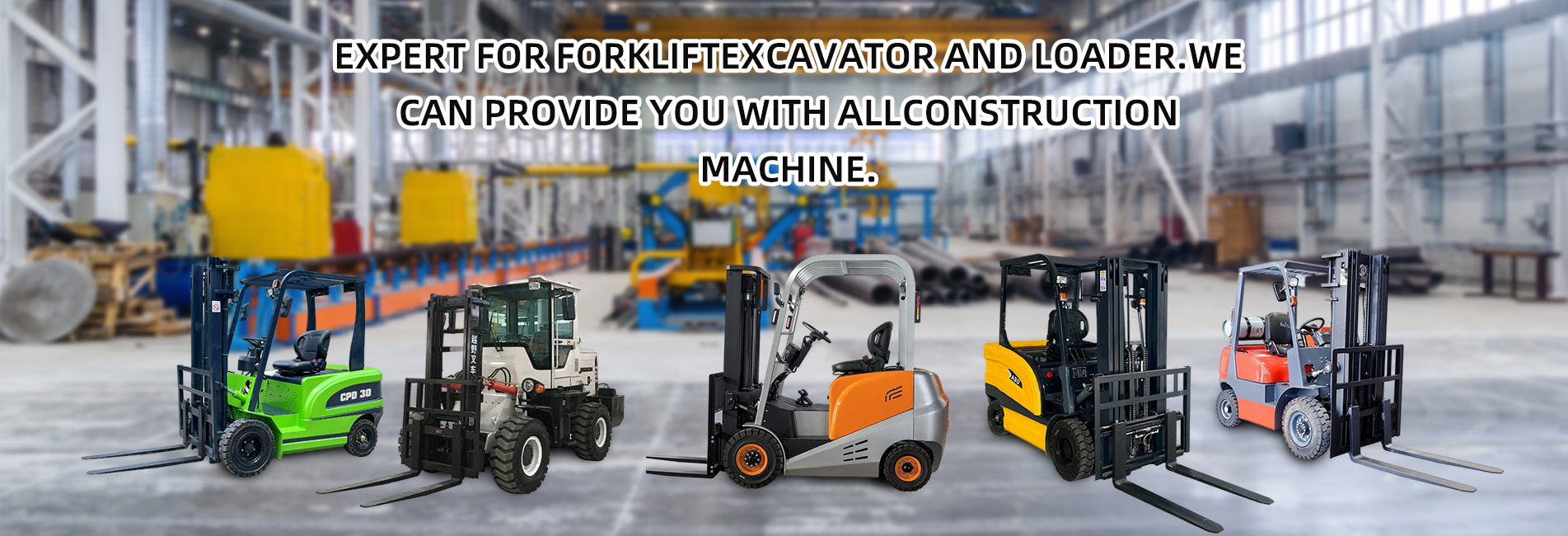
The escalating US-Iran conflict brings both risks and opportunities for China’s new energy forklift industry, with opportunities outweighing challenges. In the short term, the Middle Eastern market faces headwinds alongside fluctuations in shipping and operational costs. In the long run, persistently high oil prices will accelerate the global shift from fuel-powered to electric equipment. Leveraging three core strengths — competitive lithium battery costs, robust supply chains and superior cost performance — Chinese brands are set to capture larger global market shares.
I. Core Impacts of the Conflict: Soaring Oil Prices & Disrupted Middle Eastern Supply Chains
Surging oil prices highlight the economic advantages of electrification
The Strait of Hormuz, which handles 20%–30% of the world’s seaborne crude oil, has seen disrupted traffic. Brent crude oil prices have climbed from $70 per barrel to $95–105 per barrel, driving a concurrent sharp rise in diesel prices.The operating costs of internal combustion forklifts have skyrocketed. Diesel prices in Europe have jumped by 55%. Logistics enterprises across the Middle East and Asia are increasingly motivated to switch from fuel to electric equipment. New energy forklifts deliver remarkable total lifecycle cost savings, with each unit cutting annual expenses by over 7,000 British pounds.Short-term downturn in the Middle Eastern market: disrupted delivery and settlement
- Logistics: Shipping in the Persian Gulf has nearly ground to a halt. Freight rates from China to the Middle East have risen by 30%–50%, leading to longer delivery lead times and growing risks of order delays or cancellations.
- Market demand: Many Middle Eastern countries are prioritizing security, resulting in slower infrastructure investment. Forklift procurement plans have been postponed by 15%–20%.
- Payment settlement: Risks associated with US dollar settlements have increased. The Cross-border Interbank Payment System (CIPS) and cross-border digital yuan have emerged as alternative settlement solutions.
Global supply chain restructuring amplifies China’s industrial advantages
Facing unstable supplies of overseas components, China boasts a highly self-sufficient and fully integrated industrial chain for lithium batteries, motors and electronic control systems, ensuring steady product delivery. The country has become a reliable haven for global buyers.II. Current Status and Core Advantages of China’s New Energy Forklifts
China maintains strong export momentum. In 2025, it exported 320,000 forklifts worth 6.8 billion US dollars, with electric models accounting for 71% of the total. From January to May 2026, exports reached 230,000 units, a year-on-year increase of 16.8%, and lithium battery-powered forklifts made up over 77% of shipments.Chinese brands hold a 35% share of the global market and lead sales in 34 countries. Their major export destinations include Europe, Southeast Asia, Latin America and Russia.Core Competitiveness
- Cost: Lithium battery forklifts from China are 30%–40% cheaper than equivalent products from Japanese and South Korean manufacturers, achieving unrivaled cost performance.
- Technology: China takes the lead in high-voltage lithium batteries, fast charging, long battery life, low-temperature adaptability (a popular feature in the Russian market) and automated guided vehicle (AGV) technologies.
- Supply chain: Lithium resources sourced from Australia, South America and Indonesia, combined with domestic processing capacity, form a stable supply system unaffected directly by developments in the Middle East.
III. Future Outlook: Four Major Trends & Five Implementation Strategies
1. Four Major Trends
Accelerated global electrification and rising market penetration
Driven by environmental policies and high oil prices, demand for electric forklifts in Europe and America is projected to rise by 15.9% in 2026, accounting for 40% of total export volume.While procurement in the Middle East will be put on hold temporarily, electric forklifts remain an essential long-term demand, and bulk purchases will take place during regional reconstruction.There are 4 million in-service internal combustion forklifts worldwide awaiting replacement, representing a market worth trillions of dollars.Shifting market landscape: Sluggish Middle East market, booming Southeast Asia, Latin America and Russia
- Short term: Scale back business in Iran and Iraq, and deepen market presence in relatively stable Saudi Arabia and the United Arab Emirates.
- Long term: Southeast Asia (under the RCEP framework), Latin America, Russia and Central and Eastern Europe will become the main growth drivers. Exports to Russia are expected to surge by 40%–60% in 2026.
Product upgrading: Widespread lithium battery adoption, high-voltage technology and intelligent solutions
Lithium batteries will continue to replace lead-acid batteries, with their market share exceeding 80% in 2026. High-voltage (80V+) heavy-duty forklifts are gaining traction in the high-margin European market.Sales of AGV and unmanned forklifts grow at a rate of 31%. Chinese manufacturers hold 34.6% of the global market for such products, forming a second major growth driver.Competitive landscape: Dominated by two industry giants and niche leaders
- Anhui Heli and Hangcha Group: Overseas revenue accounts for over 45% of their total income, and they excel in high-voltage lithium battery technology.
- EP Equipment and Noblelift: Top players in warehousing equipment and AGV segments, with rapidly expanding market shares in North America and Europe.
2. Five Implementation Strategies
Diversify markets to mitigate risks and tap high-growth regions
Prioritize markets in the following order: Southeast Asia (RCEP) > Latin America > Russia > Central and Eastern Europe > Europe and America, to reduce reliance on the Middle East.For the Middle East market: Focus on Saudi Arabia, the United Arab Emirates and Qatar while avoiding Iran and Iraq. Conduct transshipment via third countries to lower operational risks.Differentiate products to adapt to high oil prices and high-temperature operating environments
Develop customized lithium battery forklifts for the Middle East with enhanced high-temperature heat dissipation, dustproof performance, 8+ hours of continuous operation and fast charging (80% charge within 1 hour).Optimize cost structure and launch a dual product line: cost-effective lithium battery forklifts to replace traditional fuel-powered models, and high-end intelligent forklifts for the European and American markets.Build resilient supply chains via local production and diversified procurement
Establish assembly bases overseas in Southeast Asia (Thailand, Vietnam), the Middle East (Saudi Arabia) and Europe (Poland) to circumvent tariff and logistics risks.Adopt diversified procurement for core lithium battery materials from Australia, South America and Indonesia. Independent of Middle Eastern supplies, this approach guarantees supply stability.Innovate financial and settlement solutions to hedge exchange rate risks
Prioritize settlements via CIPS, cross-border RMB transactions and barter trade to cut dependence on the US dollar.Offer financial services including financial leasing, trade-in programs and subsidies for fuel-to-electricity conversion to lower the entry threshold for customers.Upgrade brand positioning: Shift from low-price competition to technology and service-driven development
Increase R&D investment in high-voltage lithium batteries, intelligent control systems and AGV technologies to boost product premium capacity.Set up overseas spare parts warehouses and local after-sales teams to resolve customer pain points related to after-sales service.IV. Conclusion: Seize Opportunities Amid Risks to Embrace a Golden Era
While the US-Iran conflict creates short-term disruptions to the Middle Eastern market and global supply chains, prolonged high oil prices will further accelerate the electrification of the global forklift industry. Backed by four core strengths — cost advantages, advanced technology, complete supply chains and outstanding cost performance — China’s new energy forklift sector is entering a golden phase featuring expanding global market share, product upgrading and diversified market layout.
Key takeaway: Adopt a risk-averse strategy in the short term and pursue aggressive expansion in the medium and long term. The period from 2026 to 2028 will be a pivotal stage for the global expansion of China’s new energy forklift industry.