
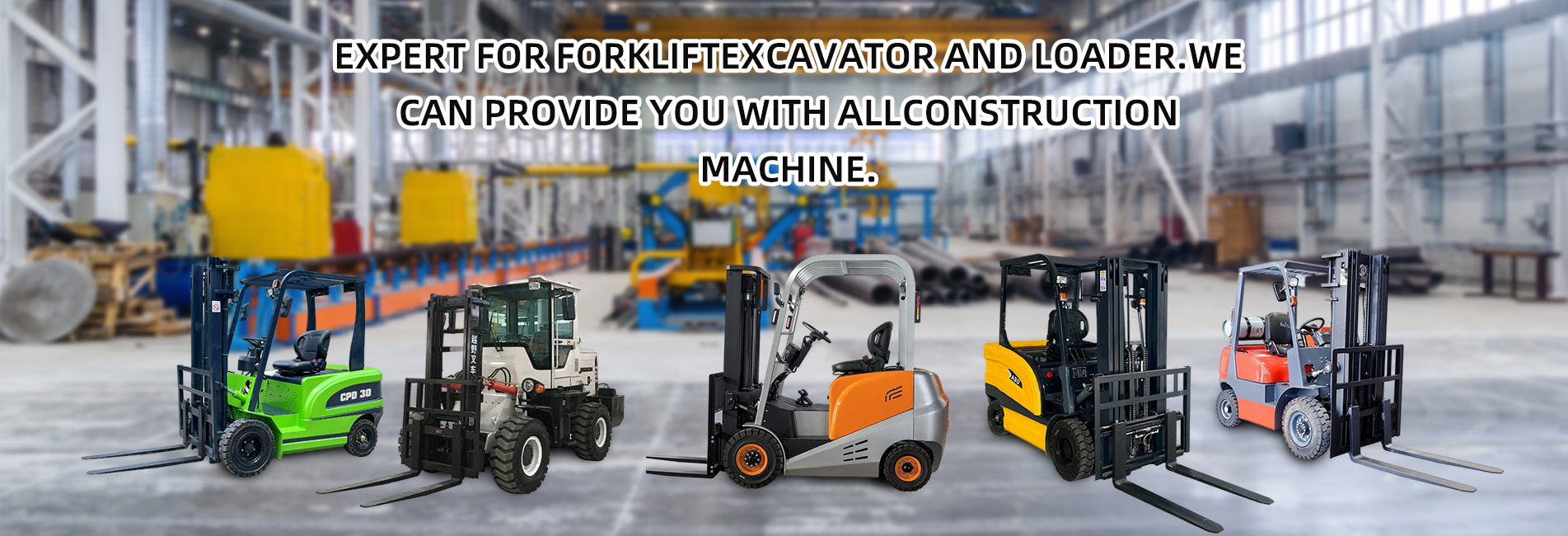
Core Impacts of China-ASEAN FTA (Including Version 3.0 Upgrade plus RCEP Overlay) on China’s Exports of Electric Forklifts and Mini Excavators
The China-ASEAN Free Trade Agreement (upgraded to Version 3.0 and overlapping with RCEP) delivers core benefits for exports of electric forklifts and mini excavators via substantial tariff cuts, streamlined customs clearance and certification procedures, surging order volumes, accelerated production capacity expansion and investment, and boosted growth of green electrified products. ASEAN has evolved into China’s largest export market for such machinery.I. Tariffs: Lower Costs and Improved Price Competitiveness
1. Key Tariff Reduction Margins (Applicable with FORM E Certificate of Origin)
- Electric forklifts (HS Code 8427): MFN tariff rates of 10%–15% are reduced to 0%–5% under the free trade agreement; zero tariffs are largely implemented in Indonesia, Vietnam, Thailand and other ASEAN economies.
- Mini excavators (HS Code 8429): MFN tariffs from 5%–10% drop to 0%–5% under the FTA, with zero tariffs effective across most ASEAN member states.
- Spare parts: Average import tariff falls from 5.2% to 1.8%, cutting local assembly expenses.
2. Practical Cases
Export of one electric forklift worth USD 100,000 to Indonesia: import duty plunges from USD 10,000 to zero, generating an instant cost saving of USD 10,000.At Pingxiang Port in Guangxi, 2024 exports of electric forklifts rose by 63% year-on-year, primarily driven by tariff concessions.3. Rules of Origin (Threshold for Preferential Tariff Eligibility)
Products with a regional value content of no less than 40% (value added within China and ASEAN) qualify for FORM E issuance and preferential tariff treatment.II. Customs Clearance & Certification: Faster Lead Time, Lower Expenses and Reduced Trade Barriers
1. Facilitated Customs Procedures
- AEO Mutual Recognition: Customs inspection rates cut by over 50%, clearance shortened by 3–5 working days, and logistics costs down 8%–15%.
- Border bonded warehousing (Pingxiang / Youyiguan): Delivery lead time trimmed from 7–10 days to 1–2 days. The policy permits multiple inbound shipments and separated outbound deliveries to ease enterprises’ capital occupancy, as regulated by the General Administration of Customs of the People’s Republic of China.
- Electronic Certificate of Origin: Self-service printing and online approval compress application lead time from 3 calendar days to several hours.
2. Mutual Recognition of Certification Standards
- China-Malaysia construction machinery standard mutual recognition (launched in 2025): eliminates redundant product testing, shortens certification cycles by 30% and slashes certification fees by 20%.
- Unified RCEP rules: lower technical barriers enable one-time certification for cross-border sales across multiple ASEAN nations.
III. Market Demand: Explosive Order Growth and Expanding Market Share
1. ASEAN as China’s Top Export Destination
China shipped 387,000 units of forklifts globally in 2024, with ASEAN accounting for 37% of total outbound shipments to rank as the primary export market.Driven by ASEAN’s infrastructure construction and manufacturing relocation, exports of 1–6 tonne mini excavators are set to grow 40%–50% in 2025.2. Soaring Demand in Key ASEAN Economies
- Vietnam: Expanding manufacturing fuels a 28% year-on-year rise in demand for warehouse electric forklifts; mini excavators are widely deployed in industrial parks and infrastructure projects.
- Indonesia: New capital city development plus archipelago-wide infrastructure construction, paired with zero import tariffs on electric forklifts and mini excavators, lifts relevant imports by 35% in 2025.
- Thailand: Phase II of the Eastern Economic Corridor (EEC) and evolving logistics hubs push the market penetration rate of 3–5 tonne electric forklifts to 34%.
- Malaysia: Chinese brands lift their mid-to-low-end market share from 45% to over 60%, claiming around 30% of the domestic mini excavator market.
3. Fundamental Upgrade in Price Competitiveness
Thanks to tariff relief, Chinese electric forklifts are priced 20%–30% lower than Japanese and South Korean equivalents, while Chinese mini excavators cost 25%–35% less than competing Japanese and South Korean models.IV. Production Capacity & Investment: Accelerated Localization and Integrated Industrial Supply Chains
1. Local Manufacturing Plants for Tariff Avoidance
- Hangcha’s Thailand production base: operational in 2025 to supply the whole ASEAN market with zero import tariffs and delivery within seven days.
- Sany & XCMG: operate assembly factories in Indonesia and Vietnam for local production of mini excavators and electric forklifts, cutting production costs by 15%–20%.
2. Industrial Chain Synergy (FTA 3.0 plus RCEP)
Free intra-regional circulation of lithium batteries, drive motors and hydraulic components, alongside the 1.8% average component tariff, improves local supporting capacity.A new chapter on supply chain connectivity is added in FTA Version 3.0 to support the “China-based R&D + ASEAN-based assembly” business model.V. Green Electrification: Policy Dividends and Upgraded Market Demand
1. Green Economy Provisions in FTA 3.0
Green construction machinery and new-energy powered equipment are designated priority sectors under the upgraded FTA, granting electric forklifts and mini excavators extra tariff reductions and policy subsidies.Multiple ASEAN economies including Singapore, Malaysia and Thailand have announced internal combustion engine vehicle phase-out plans scheduled for 2030–2035, accelerating industry-wide electric replacement.2. Rapid Uptick in Electric Penetration
ASEAN’s electric forklift penetration climbed from 19% in 2021 to 34% in 2024; the electrification ratio of mini excavators stands between 15% and 25%.VI. Risks and Challenges
- Intensified competition: Japanese and South Korean brands cut product pricing to retain market share alongside growing local copycat manufacturers, raising risks of vicious price wars.
- Certification compliance costs: Mandatory certifications such as Indonesia’s SNI and Thailand’s TISI still entail substantial time and financial input.
- Capacity bottlenecks: Unprecedented order surges trigger delivery delays and raw material price inflation.
VII. Core Operational Guidelines for Manufacturers
- Secure FORM E certification prior to export to qualify for zero or reduced preferential tariffs (guided by Fuxin Municipal People’s Government policy).
- Prioritize core target markets: Vietnam, Indonesia, Thailand and Malaysia featuring zero tariffs and robust market appetite.
- Set up local warehouses or assembly facilities to cut tariff costs, shorten delivery cycles and stay close to end consumers (per specifications from the General Administration of Customs of the People’s Republic of China).
- Boost electric and intelligent product development: tailor equipment to ASEAN’s high-temperature and high-humidity climate by improving lithium battery endurance and remote monitoring functions.