
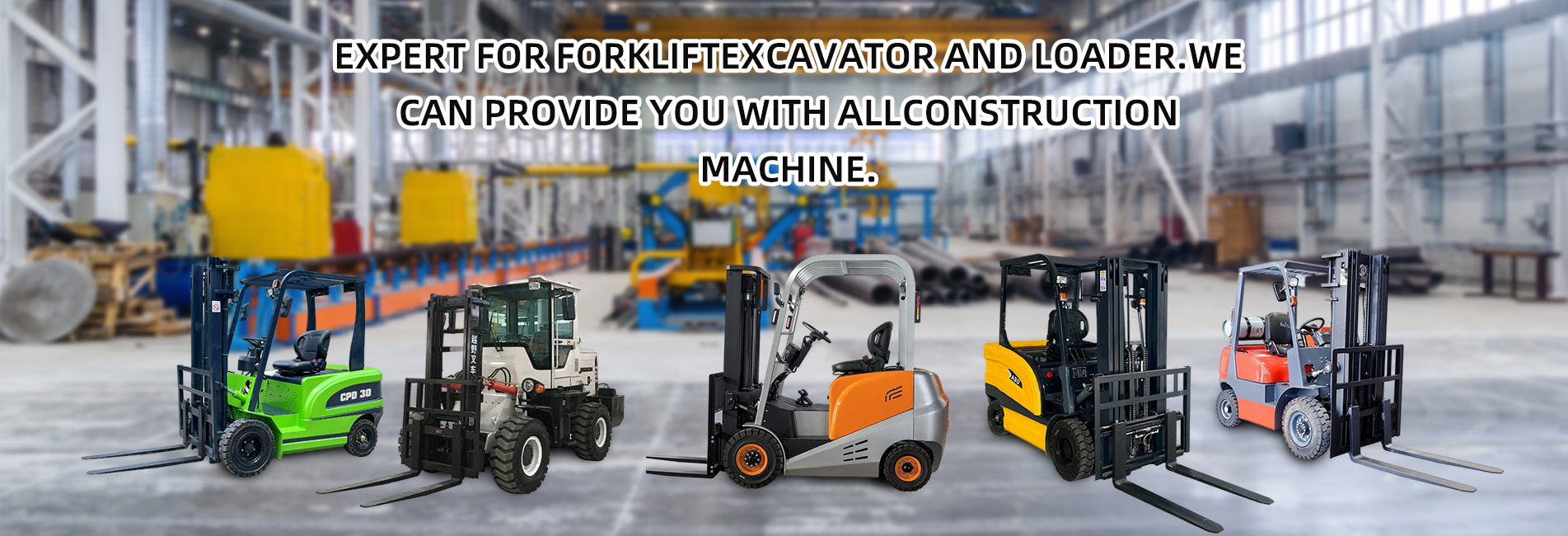
When a forklift operates on uneven ground (such as potholes, bumps, and misaligned joints), to ensure cargo stability, it is imperative to strictly follow the core strategy of "speed control, height limitation, load reduction, stable operation, and enhanced reinforcement", and implement the operation in accordance with standardized procedures. The specific plan is as follows:
Speed and Driving Path Control
- Mandatorily reduce the speed to below 2 km/h, adopt a mode of uniform slow driving and small-angle steering. Sudden acceleration, sudden braking, and sharp turns are strictly prohibited to avoid abrupt changes in the center of gravity caused by wheels rolling over bumps or potholes.
- Prioritize planning flat driving paths; when detouring is not feasible, predict the locations of ground defects in advance, and slowly roll over the edges of joints or potholes to prevent cargo shaking due to forklift bouncing.
Load and Lifting Height Limitation
- Strictly control the lifting height to within 10 cm off the ground. Lifting cargo to a high altitude during driving is prohibited, so as to lower the cargo's center of gravity and improve stability.
- When transporting long or eccentrically loaded cargo, reduce the rated load by 20%–30%. Meanwhile, use tools such as straps and anti-slip mats to reinforce the cargo and prevent cargo displacement from exacerbating the risk of tilting.
Operation Specifications and Emergency Handling
- Continuously monitor the cargo status during driving. If cargo shaking occurs, stop immediately, slowly lower the forks to the ground, re-inspect and reinforce the cargo, and only resume operation after confirming stability. Driving with shaking cargo is strictly forbidden.
- Avoid single-side wheels rolling over bumps or getting stuck in potholes to prevent cargo rollover caused by forklift tilting.
Pre-operation Preparation and Equipment Inspection
- Inspect the operation site before work, mark defective areas such as potholes and bumps, and plan the optimal driving route.
- Check the forklift tire condition (normal tire pressure, no excessive tread wear), and ensure that the braking system and steering system are sensitive and reliable; if equipped with load display and rollover alarm devices, confirm that they are in normal working condition.