
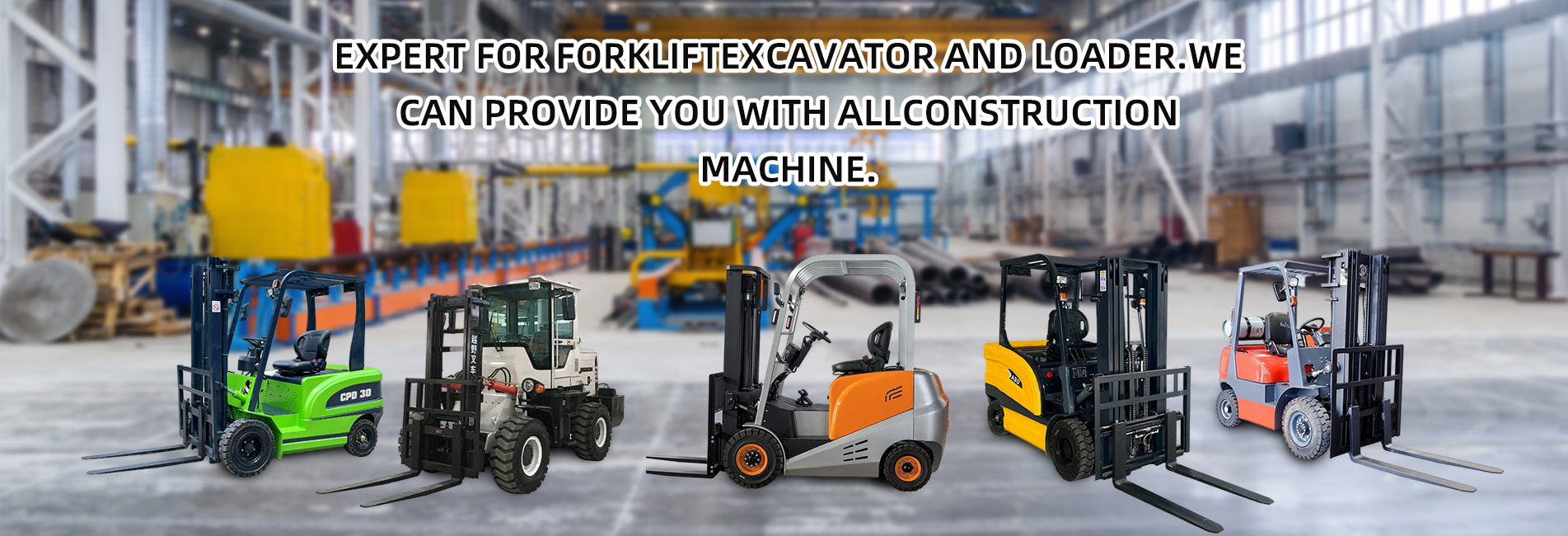
Systematic Solution for Extending the Service Life of Electric Forklift Batteries
The service life of electric forklift batteries (mainly lead-acid/lithium batteries) depends on four core dimensions: charge-discharge management, temperature control, daily maintenance, and working condition matching. Through standardized processes and precise control, the cycle life can be significantly extended (up to 1,500+ cycles for lead-acid batteries and 3,000+ cycles for lithium batteries), and the total life-cycle cost can be reduced.
1. Battery Selection and Basic Configuration (Preparatory Guarantee)
Matching Batteries to Working Conditions
- For high-frequency continuous operations (e.g., logistics sorting, port loading/unloading), prioritize lithium iron phosphate batteries equipped with a Battery Management System (BMS) to support fast charging and deep cycling.
- For low-frequency intermittent operations, high-quality lead-acid batteries (colloid/AGM) are more cost-effective.
Calculate the battery capacity based on the rated current and operation duration to avoid long-term overloading of small-capacity batteries (a capacity redundancy of ≥20% is recommended).
BMS and Charging Equipment Configuration
- Lithium batteries must be equipped with an independent BMS to real-time monitor State of Charge (SOC), State of Health (SOH), cell voltage/internal resistance/temperature, and set protection thresholds for overcharge, over-discharge, overcurrent, and overtemperature.
- For lead-acid batteries, it is recommended to install a simplified BMS to prevent unbalanced charging.
select an intelligent charger matched to the battery type: use a three-stage charger for lead-acid batteries, and adopt CC/CV fast charging + balanced charging mode for lithium batteries. Avoid damage caused by non-original chargers.
2. Optimization of Charge-Discharge Strategies (Core Measure, Directly Affecting Cycle Life)
| Battery Type | Charging Threshold | Discharging Threshold | Charging Strategy | Prohibited Practices |
Lead-acid Battery (Colloid/AGM) | Charge when remaining capacity is 30%–40% | SOC ≥ 20% (strictly prohibit < 10%) | Perform one full charge-discharge cycle + balanced charging monthly; avoid prolonged floating charging | Deep discharge, overcharging, high-current fast charging |
Lithium Iron Phosphate Battery | Charge when remaining capacity is 20%–30% | SOC ≥ 20% (15% supported by some BMS) | Opportunity charging (topping up during operation intervals) + off-peak charging; charge to 80% in 30 minutes via fast charging | Overcharging (cell voltage > 3.65V), over-discharging (cell voltage < 2.5V), fast charging at low temperatures |
Avoid Deep Discharge and Overcharging
- Deep discharge of lead-acid batteries (SOC < 20%) causes plate sulfation, and a single deep discharge can reduce the cycle life by more than 10%.
- Overcharging of lithium batteries leads to electrolyte decomposition, while over-discharging causes lithium plating on the negative electrode—both result in irreversible damage.
Set BMS protection thresholds: control the charging voltage of lead-acid batteries within 1.25 times the rated voltage; limit the cell voltage of lithium batteries to the range of 3.2V (end of discharge) to 3.6V (end of charge).
Balanced Charging and Regular Calibration
- For lead-acid batteries, perform balanced charging monthly (extending the floating charging phase to 12–16 hours) to eliminate cell voltage deviations.
- Lithium batteries achieve automatic balancing via BMS; manually trigger forced balancing once per quarter.
Calibrate the BMS voltage, current, and temperature sensors every six months to prevent protection failure due to detection errors.
Charging Environment Control
- Maintain the charging temperature at 20–25℃. Prohibit fast charging at low temperatures (< 10℃); prioritize indoor insulated charging.
- Enhance ventilation at high temperatures (> 35℃) to prevent overheating of chargers and batteries.
Keep the charging area away from fire sources and flammables, and ensure good ventilation to avoid hydrogen accumulation (hydrogen is generated during lead-acid battery charging).
3. Daily Maintenance and Working Condition Management (Basic Guarantee, Reducing Hidden Losses)
Battery Compartment and Terminal Maintenance
- Pre-shift inspection daily: Clean battery terminals and busbars to remove oxides (using a dedicated cleaner + copper brush); tighten bolts to the manufacturer’s specified torque (10–15N·m); test the contact resistance to ensure it is ≤ 5mΩ.
- Inspect battery compartment vents and filters weekly: Remove dust and debris to ensure smooth heat dissipation; clean the filter of the liquid cooling system for lithium batteries weekly to prevent clogging.
- Check battery casing for deformation or leakage monthly: Immediately stop use and conduct maintenance if abnormalities are detected.
Temperature and Environment Management
- The optimal operating temperature for batteries is 20–25℃. At low temperatures (< 0℃), the capacity decreases by more than 30%, and lithium plating occurs in lithium batteries. At high temperatures (> 40℃), electrolyte aging accelerates, shortening battery life.
- For low-temperature operations: prioritize indoor parking and charging.
- For high-temperature operations: activate the liquid/air cooling system or reduce continuous operation time.
Load and Current Control
- Avoid instantaneous high-current discharge (e.g., sudden acceleration, heavy-load climbing). High currents cause plate polarization and increased internal resistance, damaging cells over time. It is recommended that the current does not exceed 1.5 times the rated current.
- Strictly adhere to the rated load to avoid high-current discharge caused by overloading. Center the load to reduce the risk of tipping and additional energy consumption.
4. Fault Diagnosis and Life Assessment (Preventive Measures)
Regular Testing
- Test cell voltage and internal resistance quarterly: replace aging cells promptly if the internal resistance deviation of lead-acid battery cells exceeds 20%, or if the internal resistance of lithium battery cells changes abruptly by more than 20%.
- Conduct capacity testing every six months (discharge to the cut-off voltage and record the actual capacity): replace the battery (or reuse it as a backup) when the actual capacity drops below 80% of the rated capacity.
Fault Handling
- Immediately stop using the battery if abnormalities such as abnormal cell voltage, increased internal resistance, overheating, or leakage occur; contact professional personnel for maintenance to prevent fault escalation.
- If a lithium battery swells or emits an odor, evacuate the area immediately, dispose of it safely in accordance with the manufacturer’s guidelines, and never disassemble it manually.
5. Special Maintenance Points for Different Battery Types
| Battery Type | Special Maintenance | Key to Extending Service Life |
Lead-acid Battery | Regularly replenish water (for flooded batteries) to maintain the electrolyte level 10–15mm above the plates; prevent electrolyte contamination | Prevent plate sulfation and corrosion; perform balanced charging |
Lithium Iron Phosphate Battery | Keep the BMS firmware updated to avoid protection failure due to software vulnerabilities; inspect the cooling system regularly | Prevent lithium plating and thermal runaway; balance cell voltages |
6. Implementation Recommendations
1.Formulate Standardized SOPs: Compile the Electric Forklift Battery Maintenance Manual, specifying charge-discharge thresholds, maintenance cycles, responsible personnel, and acceptance criteria. Provide training for drivers and maintenance staff.
2.Implement Hierarchical Maintenance Management:
- Daily pre-shift inspection (performed by drivers)
- Weekly cleaning (performed by the maintenance team)
- Monthly balanced charging
- Quarterly internal resistance testing
- Semi-annual capacity testing
3.Adopt Data-Driven Monitoring: Use a fleet management system to real-time monitor battery SOC, SOH, temperature, and current; establish a battery health file to provide early fault warnings.