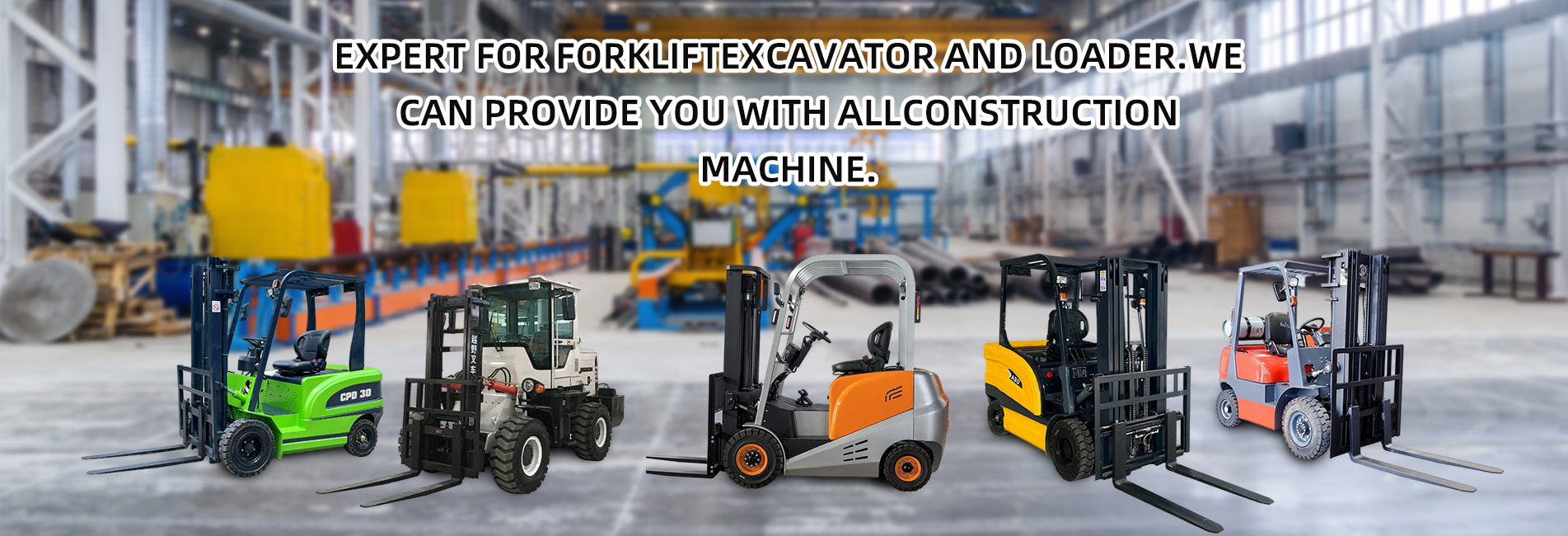
In addition to the covered battery power chain, transmission and travel system, and safety auxiliary system, targeted maintenance must also be carried out on other critical systems such as the cooling system, electrical accessories, structural components, and lubrication system. Below is a systematic and implementable maintenance plan:Winter Special Maintenance for Other Critical Systems
(I) Cooling System Maintenance
The cooling system is prone to malfunctions in winter due to low-temperature condensed water and blockage by ice and snow. Key focuses shall be on anti-freezing, anti-blockage, and anti-leakage.Coolant Inspection and Replacement
- replace with winter-specific antifreeze with a freezing point 10℃ lower than the local minimum temperature (e.g., antifreeze with a freezing point of -45℃ for northern regions). The use of tap water or ordinary water as a substitute is strictly prohibited.
- The antifreeze concentration shall be controlled within 40%–60%. Excessively high concentration will reduce heat dissipation efficiency, while excessively low concentration will result in insufficient anti-freezing capacity.
- Check the antifreeze level and maintain it between the MAX and MIN marks on the expansion tank. If insufficient, supplement with the same type of antifreeze; mixing different brands is prohibited.
- Test the antifreeze freezing point and pH value every 6 months (standard pH range: 7.5–11.0). If the freezing point rises or the pH value exceeds the specified range, replace the antifreeze completely.
Radiator and Pipeline Maintenance
- Clean ice, snow, dust, and debris from the radiator surface to ensure the radiator fins are free from deformation and blockage. Inspect the radiator sealing condition; replace the gasket or repair the weld if leakage is detected.
- Check the tightness of cooling pipelines and water pipe joints. Metal contraction in winter may cause joint loosening, so fasten them according to the manufacturer’s specified torque (usually 12–18 N·m). replace aged or cracked water pipes to prevent low-temperature embrittlement and fracture.
- Verify the thermostat operation status. Monitor the water temperature after starting the forklift. If the water temperature rises too slowly (failing to reach 60℃ within 15 minutes), it indicates thermostat jamming, which requires timely replacement to ensure the temperature control efficiency of the engine (for internal combustion-electric hybrid forklifts) or motor cooling system.
(II) Electrical Accessories Maintenance
Electrical accessories are susceptible to poor contact and short circuits due to low temperatures and humidity. Key focuses shall be on moisture-proofing, insulation, and fastening.Wiring Harness and Plug Maintenance
- Conduct a comprehensive inspection of the entire vehicle’s wiring harness. Identify worn, aged, or exposed sections and repair them by wrapping with insulating tape. Promptly reinstall any missing wiring harness fixing clips to avoid harness shaking and friction.
- Check the sealing performance of various plugs (e.g., motor plugs, sensor plugs, lighting plugs). Pull out the plugs, clean internal oxide layers and water stains, apply low-temperature special conductive anti-rust agent, reinsert and tighten the locking buckles to prevent moisture ingress.
- Focus on inspecting the insulation layer of the battery connection harness. replace it immediately if damaged to prevent short circuits that may cause fires.
Auxiliary Electrical Equipment Maintenance
- Battery Charger: Place it in an insulated environment (temperature range: 5℃–30℃) to avoid reduced charging efficiency at low temperatures. Regularly clean the charger’s cooling fan filter to ensure good ventilation and prevent overheating damage. Check whether the charger’s output voltage and current comply with the winter charging curve parameters.
- Horn and Windshield Wiper:
- Inspect the horn volume to ensure it meets the standard (≥ 90 dB). The horn diaphragm tends to harden and fail at low temperatures, requiring timely replacement.
- replace with winter-specific windshield wiper blades and fill with anti-freeze windshield washer fluid (freezing point below -30℃) to prevent washer fluid from freezing and damaging the water pump.
- Instrument and Display Screen: Check if the instrument backlight and numerical display are clear. Display screens are prone to "screen scrambling" at low temperatures. If this occurs frequently, inspect the circuit connections or replace the display screen assembly.
(III) Maintenance of Structural Components and Auxiliary Devices
Low temperatures in winter reduce the toughness of metal components, making them susceptible to cracking and deformation. Key focuses shall be on rust prevention, reinforcement, and flaw detection.Mast and Fork Maintenance
- Perform thorough rust removal on the mast guide rails and fork surfaces, then apply low-temperature anti-rust paint (temperature resistance range: -40℃–80℃).
- Inspect the wear of mast rollers and sprockets; replace them if the wear exceeds 2 mm. Supplement with low-temperature lubricating grease (low-temperature resistance: -30℃).
- Check for cracks in the dangerous sections of the forks (key areas: fork root and fork tip) using a magnetic particle flaw detector. Immediately stop using and replace the forks if cracks are found; welding repair is prohibited.
- Ensure the fork positioning pins and limiting devices are securely fastened to prevent fork detachment.
- Inspect the mounting bolts of the mast tilt cylinders and fasten them according to the manufacturer’s specified torque (usually 25–35 N·m) to prevent mast skew caused by bolt loosening in low temperatures.
Cab and Protective Device Maintenance
- Check the cab door and window sealing strips; replace aged or damaged strips to prevent cold wind, rain, and snow from entering. If equipped with a heating system, inspect the heater motor and air ducts for unobstructed airflow to ensure heating efficiency and improve operator comfort.
- Examine the welds of the overhead guard and seat belt anchors for cracks or weld detachment. Remove rust and repaint the overhead guard surface to maintain structural strength.
- Verify that the safety load backrest on the fork carriage is firmly installed to prevent cargo from sliding off and injuring personnel.
Special Maintenance for Lubrication System (Supplementary)
In addition to motor bearings and drive axles, the lubrication of other moving parts must be adapted to the low-temperature winter environment to avoid lubrication failure.Lubricating Grease Selection Standards
All lubrication points shall be refilled with low-temperature extreme-pressure lubricating grease that meets the following performance indicators:- Dropping point: ≥ 180℃
- Low-temperature torque: ≤ 1500 mN·m (-20℃)
Specific application areas are as follows:
- Mast rollers and sprockets: Lubricate with lithium-based low-temperature grease every 50 operating hours.
- Steering knuckle kingpins and hub bearings: Lubricate with complex calcium-based low-temperature grease every 200 operating hours.
- Control lever hinge points and pedal rotating shafts: Lubricate with graphite-based low-temperature grease every 100 operating hours to ensure flexible operation.
Lubrication Taboos
- Mixing different types of lubricating grease (e.g., lithium-based grease and calcium-based grease) is prohibited to avoid chemical reactions that cause lubrication failure.
- The amount of lubricating grease applied shall be moderate. Excessive grease will cause component overheating, while insufficient grease cannot form an effective oil film. Generally, a uniform thin oil film covering the component surface is recommended.
VII. Responsibility Division and Risk Tips for Other System Maintenance
Responsibility Division
- Operators:
- Inspect the working status of electrical accessories (horn, windshield wiper, instruments, etc.) before daily operation.
- Clean debris from the radiator surface.
- Maintenance Personnel:
- Conduct crack inspections on masts and forks weekly.
- replace antifreeze and lubricating grease monthly; test the insulation performance of wiring harnesses.
- Managers:
- Conduct regular spot checks on maintenance records.
- Ensure sufficient inventory of low-temperature-adapted consumables (antifreeze, lubricating grease).
Risk Tips
- Welding operations on structural components at low temperatures are prohibited. The components must be preheated to above 10℃ before welding to prevent weld cracking.
- The main power switch must be disconnected during the maintenance of electrical accessories to prevent electric shock. Do not pull the wiring harness forcefully when plugging or unplugging connectors.
- Antifreeze is corrosive. Rinse the skin with clean water immediately if exposed. Waste antifreeze must be collected and disposed of centrally; random discharge is strictly prohibited.