
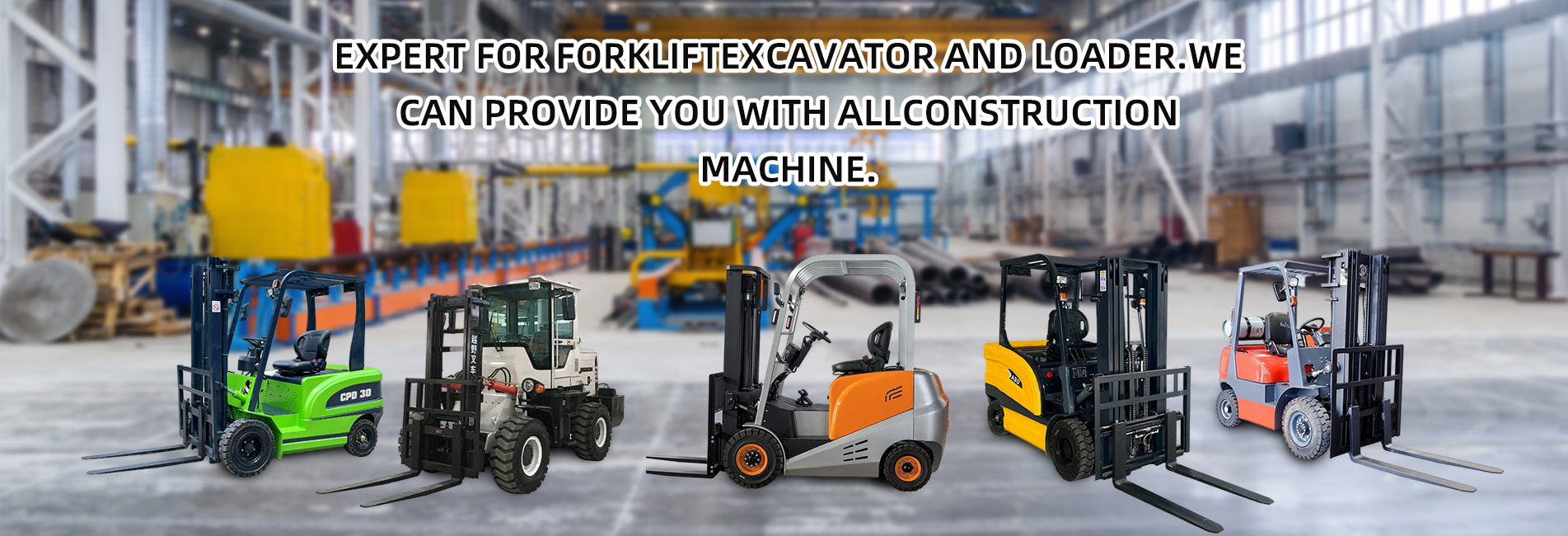
Walk any forklift showroom and the first visible split in the electric counterbalance range is the one buyers argue about most: three wheels or four. Both lift pallets; the difference is in how each chassis spends its geometry. Three-wheelers trade a little stability for a much smaller turning circle. Four-wheelers trade maneuverability for stability, speed and heavy-duty composure.
Choose the wrong chassis and you either fight forklift ballet in tight aisles every day, or you park an over-sized truck that hovers its counterweight through aisles too narrow to use. This article breaks the decision into five factors, each with a concrete rule of thumb.
I. Turning Radius: The Three-Wheel Advantage
In a three-wheel forklift, the single rear drive wheel doubles as the steering pivot. The rear end swings inside a remarkably small circle — typically 100–300 mm tighter than an equivalent four-wheel machine, and in compact models dramatically more.
- Rule of thumb: in aisles of 2.7–3.0 meters working 1.0–1.2 m pallets, a three-wheel truck often turns 90° in the aisle where a four-wheel must swing out or turn at the rack end.
- What this buys: narrower aisles mean more racking in the same building. For warehouses where every pallet position counts, the three-wheel chassis can pay for itself in recovered storage space.
- Where it matters less: open yards, dock areas and wide-aisle buildings gain little from the tighter circle.
II. Stability: The Four-Wheel Advantage
A four-wheel chassis carries its weight on four points with a wider, heavier counterweight platform. The practical consequences:
- Ramp and outdoor work. Four-wheel trucks handle yard ramps, uneven concrete and moderate outdoor surfaces with better traction and composure. Three-wheelers are indoor machines; their lighter rear end skips and slides on ramps and rough slabs.
- Full-load travel. Carrying a rated load at 8–10 km/h across long travel distances, the four-wheel platform feels planted; three-wheelers restrict travel speed sooner with load for stability.
- Load capacity class. Three-wheel electrics cluster in the 1.2–2.0 ton class. From 2.5 tons upward, the four-wheel counterbalance is the standard architecture — heavier loads need the counterweight the four-wheel layout provides.
III. Battery and Component Packaging
The chassis choice interacts with the battery decision:
- Three-wheel trucks historically used compact battery compartments; modern lithium packs fit the small chassis well and preserve the tight geometry. LFP packs with standard-rate cells suit the lighter duty cycles three-wheelers typically see.
- Four-wheel trucks accept larger battery options — relevant for multi-shift operations and high-rate discharge demands under continuous heavy load.
- Weight distribution note: on three-wheel machines, battery weight contributes to counterbalance; specifying a lighter pack than the design calls for affects both capacity and stability, the same counterweight logic we describe in our battery-types article.
IV. Floor Conditions and Tire Configuration
Factor | Three-wheel | Four-wheel |
Indoor smooth concrete | Excellent | Excellent |
Outdoor asphalt / yard ramps | Poor — rear wheel light | Good |
Floor debris, expansion joints | Sensitive | More tolerant |
Tire options | Usually solid cushion tires | Cushion or pneumatic options by model |
The single rear wheel concentrates load on a small contact patch. On damaged or dusty floors the truck transmits every imperfection to the operator; four-wheel machines distribute and damp better. If your site mix includes genuine outdoor work, the four-wheel chassis is the answer before any other criterion is discussed.
V. The Five-Factor Decision Grid
Score your operation against these five questions:
- Is the tightest working aisle under 3.0 meters? Yes pushes toward three-wheel.
- Does the truck ever work outdoors or on ramps? Yes pushes firmly toward four-wheel.
- Is required capacity above 2.0 tons? Yes — four-wheel territory.
- Is floor quality poor or unverified? Yes — four-wheel tolerates more.
- Is storage density the binding constraint on profitability? Yes — three-wheel's tighter turning circle converts directly into racking.
Two "yes" answers pointing the same direction decide the purchase. Mixed signals usually mean the fleet needs both: a compact three-wheel for racking work and a four-wheel for dock and yard — many of our customers run exactly this pair, sharing one charging area.
VI. Total Cost Perspective
Purchase prices between comparable three- and four-wheel electrics are closer than most buyers expect; the running-cost differences come from usage patterns instead:
- Three-wheel in its element (tight indoor aisles) reduces rack damage and product strikes — collision repair is a real fleet cost.
- Four-wheel used outdoors avoids the accelerated chassis, tire and traction-component wear a three-wheel suffers on the same surface.
- Matching chassis to surface is itself a cost decision — a three-wheel run on yard ramps ages twice as fast, whatever its purchase price was.
Not sure which chassis your aisles need? Send us your warehouse layout, tightest aisle measurement and load profile — we will recommend the chassis mix and provide quotations for both options where relevant.