
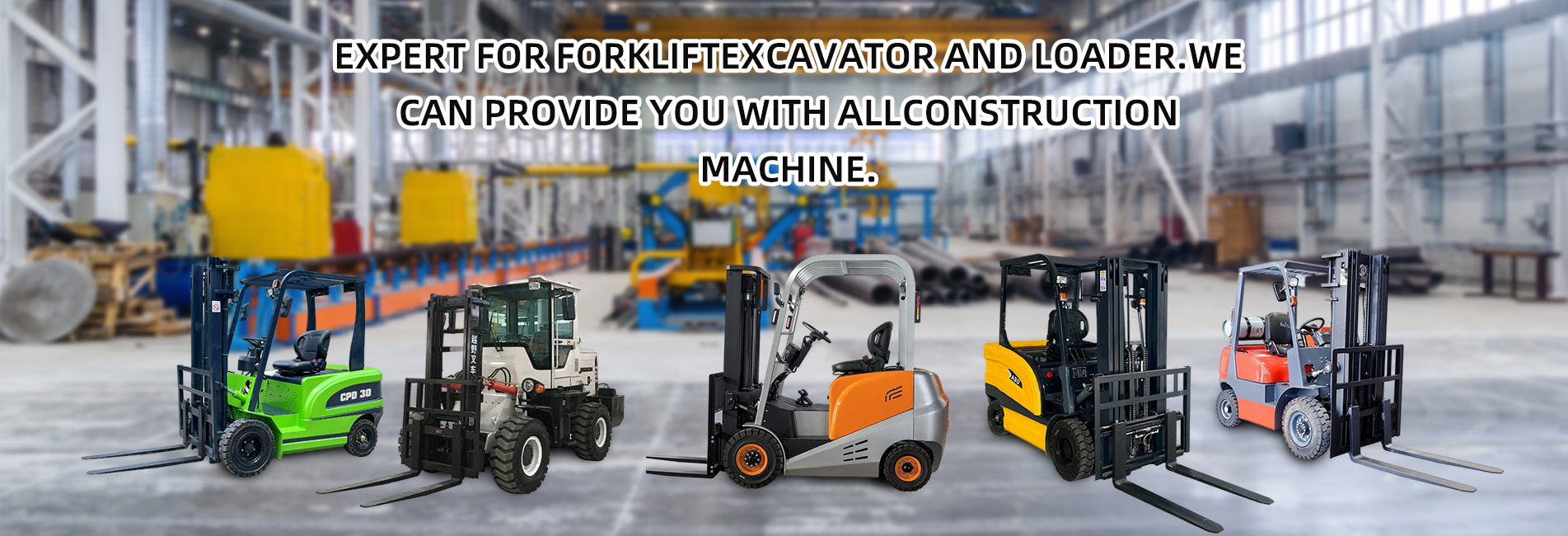
Lithium Battery New Energy Forklift Selection Guide: Precision Selection Based on Working Conditions and Environment
Core Selection Logic
First map on-site environmental constraints → confirm load capacity, aisle dimensions and operation duration → match battery type, ingress protection rating, chassis configuration and electric control system → compare dedicated solutions for low temperature, dust, explosion-proof and cleanroom applications; distinguish general working conditions from extreme operating environments, while taking long-term operation costs into consideration.I. Step 1: Collect Core On-Site Environmental Parameters (Fundamental Selection Checklist)
1. Temperature and Humidity (Critical to lithium battery service life and capacity output)
(1) Ambient Temperature
- Normal temperature conditions (5℃ ~ 35℃)Standard models equipped with standard lithium iron phosphate (LFP) batteries are applicable; full battery capacity can be delivered normally.
- Low-temperature environments (-20℃ ~ 5℃: cold storage, outdoor operations in northern China in winter)✅ Mandatory configurations: Low-temperature preheating BMS + battery heating film; low-temperature modified LFP batteries are preferred.❗ Caution: Ordinary lithium batteries suffer severe capacity attenuation below 0℃; long-term cold storage operation is prohibited without heating devices.⚠ Important note: Standard forklifts cannot directly enter cold storage. Frequent alternations between hot and cold environments easily cause condensation, which may trigger battery short circuits.
- High-temperature environments (>38℃: steel mills, ceramic factories, outdoor sites in South China during summer)Battery cooling air ducts and BMS over-temperature protection are required; continuous fast charging should be avoided; direct exposure of batteries to sunlight is forbidden.
(2) Humidity and Condensation
For high-humidity sites and scenarios with frequent cold storage entry/exit: battery packs shall reach minimum IP65 ingress protection; vehicle electric control systems start from IP54 rating.Large temperature fluctuations lead to water condensation. Prevent water accumulation in battery compartments; dehumidifying structures are optional.2. Dust, Water Vapor and Corrosive Media
- Dusty environments (woodworking, building materials, mines, grain handling)Fully sealed traction motors and controllers with IP54/IP65 dust protection; prevent dust accumulation on heat dissipation vents; schedule regular dust removal maintenance.
- Corrosive environments (chemical processing, pickling, salt industry)Anti-corrosion coating on frames, stainless steel fasteners, sealed wiring harnesses, and anti-corrosion enclosures for battery packs.
- Outdoor rain-exposed sites (ports, terminals)Low-spec IP53 models are not allowed. Battery packs shall meet minimum IP65 rating, and vehicles shall adopt rainproof design.
3. Explosion-Proof Requirements (Mandatory standards for high-risk environments)
Applicable sites: petroleum & chemical plants, paint warehouses, flour dust workshops.Ordinary lithium forklifts cannot be deployed directly. Integrated explosion-proof lithium forklifts with Ex certification are mandatory.Key distinctions: explosion-proof batteries, flameproof electric control units, flame-retardant wiring harnesses, spark-eliminating hydraulic assemblies.Simple post-modification of standard forklifts for explosion protection is strictly prohibited, which involves severe safety hazards and fails compliance requirements.4. Cleanroom Class Requirements
Applicable industries: pharmaceuticals, food processing, electronics dust-free workshops.Recommended specifications: low-noise lithium power, leak-free fully sealed hydraulic systems; non-marking solid tires to avoid black rubber marks on floors.Prevent brake dust leakage; dust-free braking solutions are optional.Zero exhaust emissions deliver prominent advantages over internal combustion forklifts.II. Step 2: Define Mandatory Working Condition Indicators (Combining Environment and Operation)
Rated Load and Lifting Height
Light-load warehousing: 1–2 tons; heavy-load yards: 3.5–5 tons. High mast lifting affects vehicle stability; anti-slip performance requires attention on damp floors.Continuous Operation Duration and Charging Infrastructure
For two-shift / three-shift continuous operations, two viable solutions:① Dual-battery rotation + fast charging; ② High-capacity lithium battery + opportunity charging.Sites without dedicated charging rooms: prioritize models supporting normal-temperature slow charging with built-in charging safety protection.Ground Surface Conditions
- Flat epoxy floors: non-marking tires, electric counterbalance / reach trucks
- Uneven gravel and outdoor construction sites: reinforced chassis, heavy-duty solid tires, high ground clearance
- Slippery damp floors: optional anti-slip tires and anti-slip brake control programs
Aisle Width & Indoor / Outdoor Deployment
Indoor use: reach trucks, 3-wheel narrow-aisle lithium forkliftsOutdoor open yards: 4-wheel counterbalance forklifts with wind resistance, rainproof structure and high chassis clearanceIII. Step 3: Targeted Lithium Battery System Selection (Core Components Adapted to Environment)
Mainstream technical route: Lithium Iron Phosphate (LFP) (dominant for industrial forklifts). Ternary lithium batteries are rarely adopted for industrial forklifts due to safety risks and cost disadvantages.- Standard LFP batteries: indoor normal-temperature warehousing, general workshops; optimal cost performance
- Low-temperature dedicated LFP batteries: cold storage, northern outdoor operations, built-in heating systems
- High-protection integrated battery packs: ports, outdoor and high-humidity dusty sites; IP65 rated
Critical Pitfall Reminder
Do not judge solely by battery capacity! For batteries with identical rated capacity, the performance of the BMS determines safety and actual driving range under extreme high/low temperatures. Low-quality BMS triggers excessive low-temperature cut-off protection or forced power reduction shutdown under high temperatures.IV. Recommended Selection Solutions for Typical Scenarios
Scenario 1: General Indoor Warehousing (Normal temperature, clean, epoxy floors)
Selection: 3-wheel / 4-wheel counterbalance lithium forklift, standard LFP battery, IP54 baseline protection, non-marking solid tires, standard slow charging.Advantages: low noise, zero emissions; ideal replacement for internal combustion forklifts.Scenario 2: Cold Chain Storage (-18℃ ~ 0℃, frequent access, high condensation risk)
Selection: cold-storage dedicated lithium forklift, battery with built-in heating system, IP65 battery pack, fully waterproof sealed wiring harnesses.Standard forklifts are forbidden from direct cold storage entry. Charging outside the cold storage is advised to reduce condensation caused by hot-cold alternation.Scenario 3: Ports / Open-air Yards (Sun exposure, rain exposure, large diurnal temperature variation, dust)
Selection: 4-wheel counterbalance forklift, high ground clearance, vehicle-level rainproof design, IP65 battery packs. Avoid prolonged direct sunlight on batteries; models supporting opportunity charging are preferred.Scenario 4: Food & Pharmaceutical Dust-Free Workshops
Selection: cleanroom-spec lithium forklift, leak-proof hydraulic system, non-marking tires, low noise, brushless permanent magnet motors to minimize dust generation.Scenario 5: Chemical Plants & Flammable Raw Material Warehouses
Selection: factory-original integrated explosion-proof lithium forklifts with complete Ex certification. Post-modified explosion-proof conversion is unacceptable.Scenario 6: Building Materials, Timber & Mining Sites (Heavy dust)
Selection: sealed electric control units, dust-proof motors; reserve access for maintenance and cleaning to prevent heat dissipation blockage from dust accumulation; implement regular maintenance schedules.V. Mandatory Technical Parameter Verification Checklist for Selection
- Battery pack ingress protection rating: minimum IP54 for indoor use; ≥IP65 for outdoor and cold storage deployment
- Nominal operating temperature range; verify built-in heating / cooling functions
- Ingress protection rating of motors and controllers
- Tire type: non-marking tire / heavy-duty solid tire / pneumatic tire (matched to ground conditions)
- Built-in automatic protection logic for humidity, high temperature and low temperature
- Special certifications: complete explosion-proof certificates for explosion-risk sites; confirm compliance with local regulations for export projects
- Chassis ground clearance (key indicator for uneven outdoor roads)
VI. Mitigation of Hidden Long-Term Operation Risks (Easily Overlooked Points)
- Avoid adapting standard forklifts for extreme environments via retrofitting (e.g., installing external heating films on ordinary forklifts for cold storage service). Such modifications feature poor reliability and void manufacturer warranties. Prioritize factory-original dedicated models.
- For hot-cold alternating environments, plan ventilation and drainage for battery compartments in advance.
- Increase annual anti-corrosion maintenance budget for corrosive working sites.
- For sites with dramatic seasonal temperature swings, reserve 15%~20% battery capacity margin to prevent insufficient driving range in winter.
VII. Streamlined Decision-Making Selection Workflow (Directly Applicable On-Site)
- Collect environmental data: temperature range, humidity, dust/corrosion/explosion risks, indoor or outdoor operation
- Collect working condition data: load capacity, lifting height, daily operation hours, ground surface conditions, aisle width
- Confirm core constraints: low temperature exposure? rain exposure? explosion-proof requirement? cleanroom requirement?
- Match vehicle ingress protection grade and battery specification (standard / low-temperature / high-protection type)
- select optional accessories: heating films, anti-slip tires, anti-corrosion coating, rainproof devices
- Evaluate charging conditions and confirm battery capacity plus charging scheme
- Compare factory-original configurations from multiple suppliers; reject non-standard retrofitted solutions