
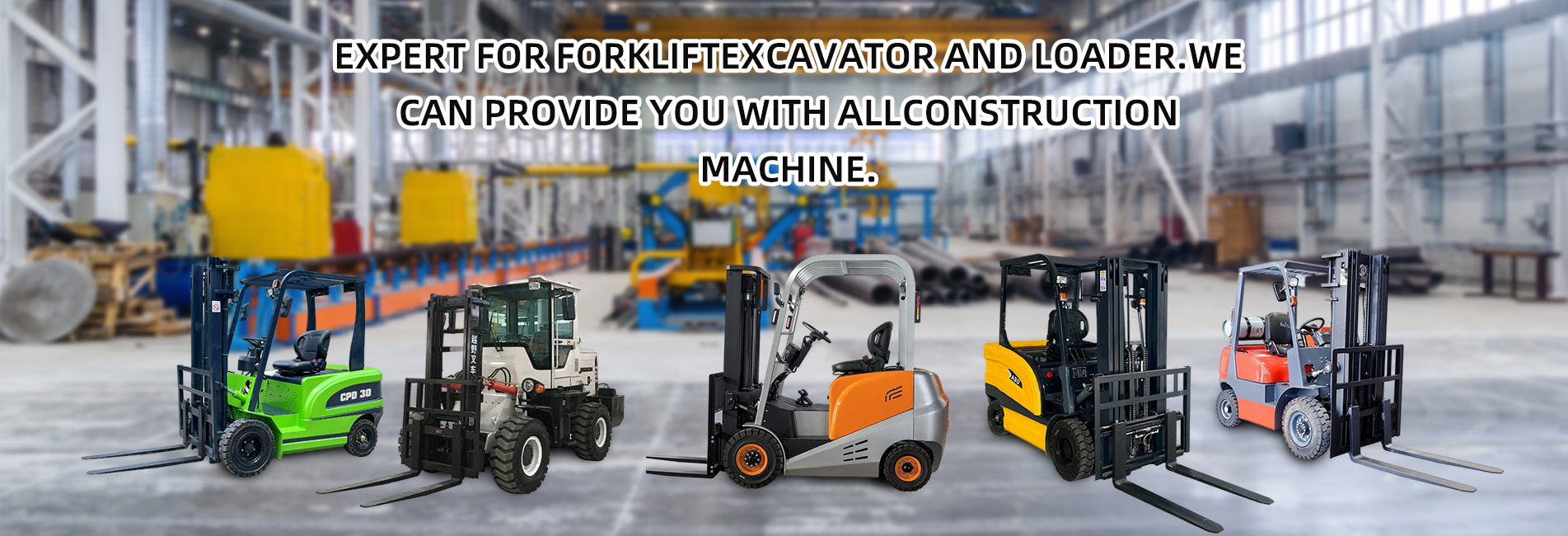
The hazards of dust to electric forklifts are mainly reflected in the following aspects:
Mechanical Wear
- Component Wear: Dust can accumulate in the moving parts of electric forklifts (such as motors, bearings, etc.), increasing friction and leading to accelerated wear of components.
- Increased Failure Rate: Due to wear, the failure rate of forklifts may increase, affecting normal operation.
Electrical System Issues
- Short Circuit Risk: Dust may enter the electrical system, causing short circuits or electrical failures.
- Decreased Insulation Performance: Accumulated dust may affect the performance of electrical insulation materials, increasing safety hazards.
Poor Heat Dissipation
- Heat Dissipation Obstruction: Dust covering the heat dissipation components of electric forklifts can hinder heat dissipation, leading to motor overheating.
- Performance Decline: Overheating may result in a decline in the performance of electric forklifts, potentially damaging the battery and motor.
Safety Hazards
- Slip Risk: Dust may create slippery surfaces on the ground, increasing the risk of operators slipping.
- Reduced Visibility: In environments with high dust concentrations, visibility decreases, raising the likelihood of accidents.
Increased Maintenance Costs
- Frequent Maintenance: Due to wear and failures caused by dust, more frequent maintenance and replacement of parts may be required, increasing operational costs.
Preventive Measures
- Regular Cleaning: Regularly clean electric forklifts, especially electrical and heat dissipation components.
- Use Dust Covers: Install dust covers on important components to reduce dust intrusion.
- Choose Suitable Working Environments: Try to avoid using electric forklifts in dusty environments.
By implementing these measures, the hazards of dust to electric forklifts can be effectively reduced, improving the lifespan and safety of the forklifts.