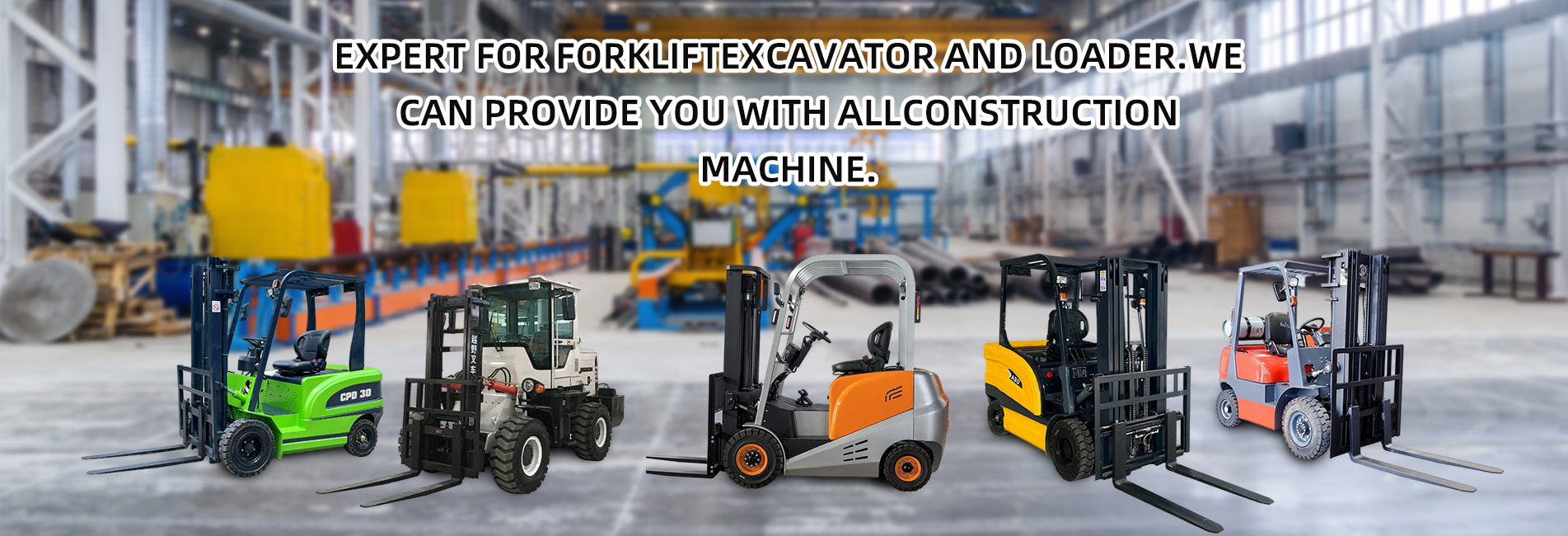
Which is better between electric forklifts and fuel-powered forklifts in winter? The core depends on the operating scenario. For indoor, short-duration, and light-load operations, electric forklifts are more suitable, while fuel-powered forklifts are better adapted to outdoor, long-duration, and heavy-load scenarios. Below is a detailed comparative analysis combined with winter climate characteristics to help you choose as needed:
Outdoor Heavy-Load & Continuous Operation Scenarios: Fuel-Powered Forklifts Are More Reliable
- Strong Start-up and Power Stability: In winter's low temperatures, the cold-start performance of fuel-powered forklifts far exceeds that of traditional electric forklifts. Although diesel may wax, this can be resolved by equipping preheaters and other devices. In contrast, the battery capacity of electric forklifts drops significantly in low-temperature environments. If the temperature in drops below zero in winter, some electric forklifts may experience a 40% reduction in battery life or even sudden power outages, seriously affecting work rhythms. Meanwhile, fuel-powered forklifts deliver strong power with a climbing capacity of 20%-30%, easily handling heavy-load handling tasks such as outdoor gravel/muddy roads, port containers, and steel coils in steel mills—an advantage that electric forklifts struggle to match.
- High Refueling Efficiency: Refueling a fuel-powered forklift takes only 3-5 minutes, and it can operate continuously for a long time after refueling, fully adapting to the high-intensity, multi-shift handling needs of outdoor winter operations. Even with fast charging, electric forklifts require a relatively long time. To ensure continuous operation, additional spare batteries are needed, which increases costs and delays work hours.
Indoor Light-Load & Environmentally Sensitive Scenarios: Electric Forklifts Are More Adaptable
- Environmental Friendliness & Suitability for Enclosed Spaces: Indoor spaces are often poorly ventilated in winter. The exhaust emissions and 75-90 decibel noise generated by fuel-powered forklifts not only pollute the air but also affect workers' health, with high ventilation costs. In contrast, electric forklifts achieve zero emissions and noise levels ≤70 decibels, maintaining clean indoor air and a quiet environment. They are particularly suitable for workshops and warehouses in pharmaceutical, food, electronics, and other industries with high environmental and noise requirements.
- Low Long-Term Operating Costs: Although the initial purchase cost of electric forklifts is 20%-40% higher than that of fuel-powered forklifts, their operational advantages are significant in winter. Electricity costs are much lower than fuel costs, and electric forklifts lack complex engine components—eliminating the need for frequent oil and filter replacements like fuel-powered forklifts, resulting in fewer maintenance items. For example, only regular battery inspections are required, with no additional maintenance costs for engine antifreeze or preheating in winter. Substantial savings can be achieved over the long term.
In addition, if electric forklifts adopt lithium-ion battery models equipped with battery heaters and charging times are planned in advance, they can also operate stably in low-temperature winter environments. However, in terms of comprehensive adaptability, choosing fuel-powered forklifts for outdoor heavy-load operations and electric forklifts for indoor light-load operations in winter is a more reliable decision.